
-

Live Crickets
$6.90 - $99.99 -

Live Dubia Roaches
$6.90 - $174.90 -

Live Superworms
$7.90 - $25.90 -

Live Mealworms
$6.50 - $128.00 -

Live Hornworms
$9.90 - $18.00 -

Live Black Soldier Fly Larvae - Soldier Worms
$4.50 - $14.90 -

Live Hissing Cockroaches
$1.45 - $1.95 -

Orange Cube Cricket Diet
$8.79 - $71.70 -

High Calcium Cricket Diet
$5.51 - $24.32 -

Cricket Quencher Calcium Fortified
$4.13 - $35.41 -

High Calcium Dubia Roach Diet
$7.72 - $29.74 -

High Calcium Mealworm Diet
$7.15 - $27.56 -

Cricket Quencher Original Formula
$3.59 - $30.87 -

Repta Calcium with D3
$4.19 - $6.96 -

-

Strawberry Banana Flavored Repta Calcium with Vitamin D3
$5.48 - $7.72 -

Repta Calcium without D3 (Free of Phosphorous)
$3.65 - $11.89 -

BSF eggs, Black Soldier Fly
$50.00 - $100.00 -

Fluker's Liquid Calcium
$14.33 -


Shop Live
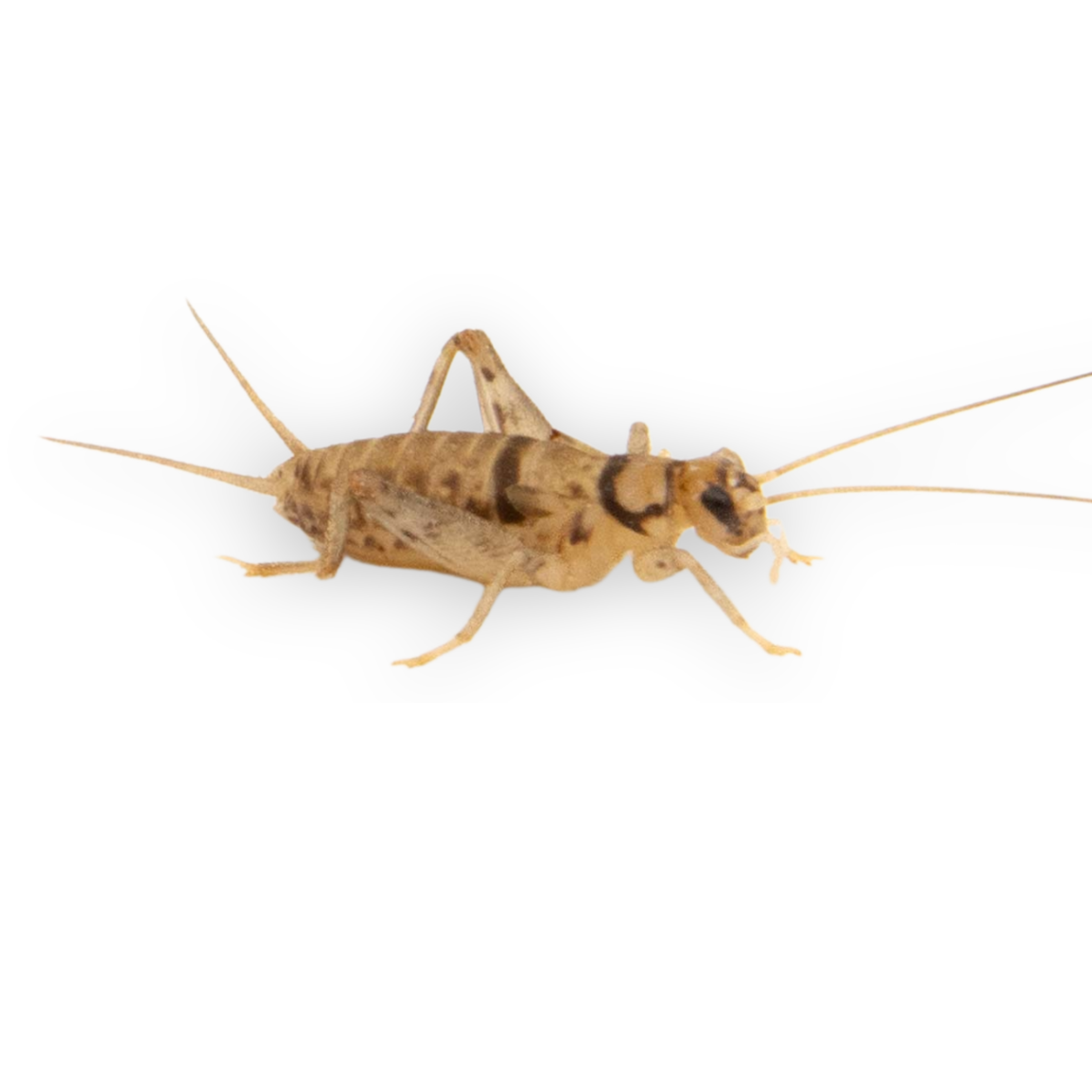




Don't Forget to Gut-Load Your Feeders
Product Title 0
Product Title 1
Product Title 2
Product Title 3
Product Title 4
Product Title 5
Product Title 6
Product Title 7
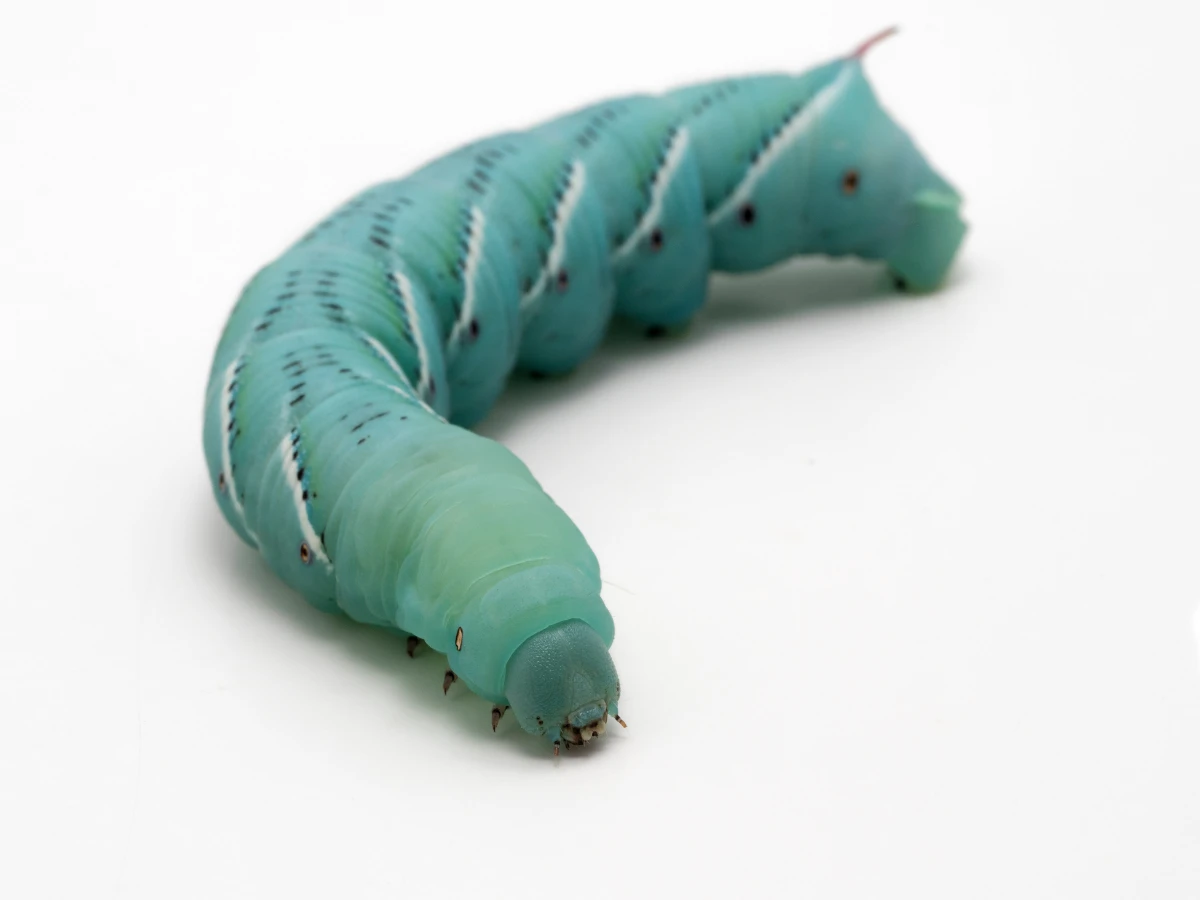
Hornworms for Bearded Dragons
Hornworms for bearded dragons are one of the most rewarding feeders you can offer — bright green or blue, hydrating, irresistible to even picky beardies, and packed with calcium. They aren't a daily staple, but as a rotation feeder and as the go-to treat for dragons recovering from illness, stress, or shedding, hornworms are hard to beat.
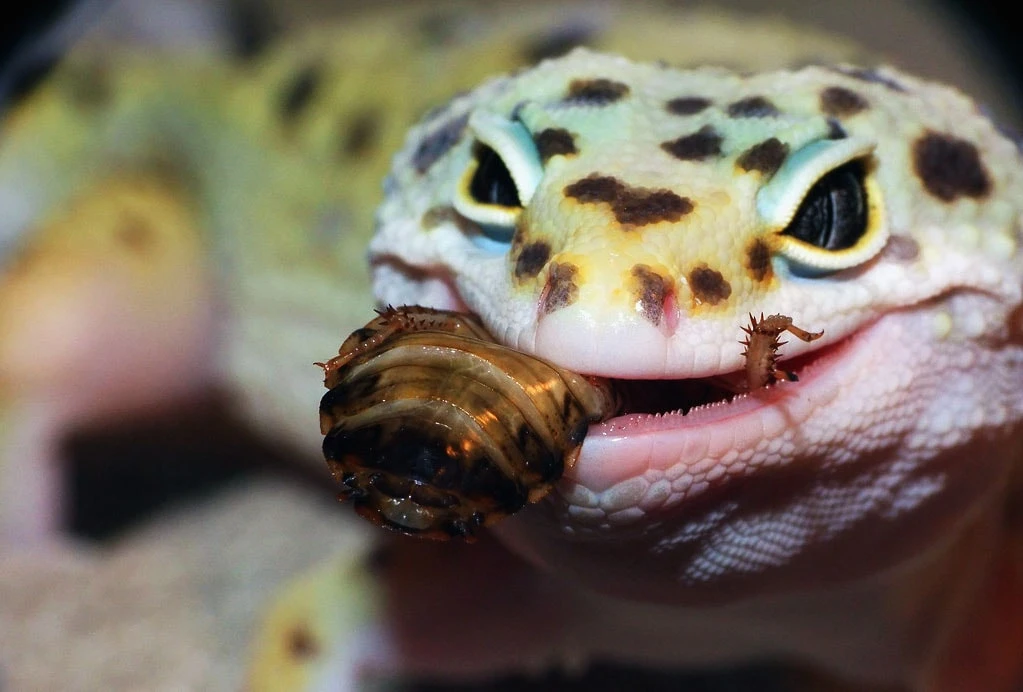
Dubia Roaches for Leopard Geckos
Dubia roaches have become one of the most popular feeder insects for leopard geckos, and they offer several practical advantages for both keepers and geckos. They are high in protein, easy to gut-load, quiet, and they cannot climb smooth surfaces or jump, which makes them far less of a hassle than crickets. If you keep a leopard gecko, dubia roaches deserve a spot in the feeding rotation. This guide covers correct sizing, how many to feed by age, gut-loading and dusting, and how dubia stack up against crickets.
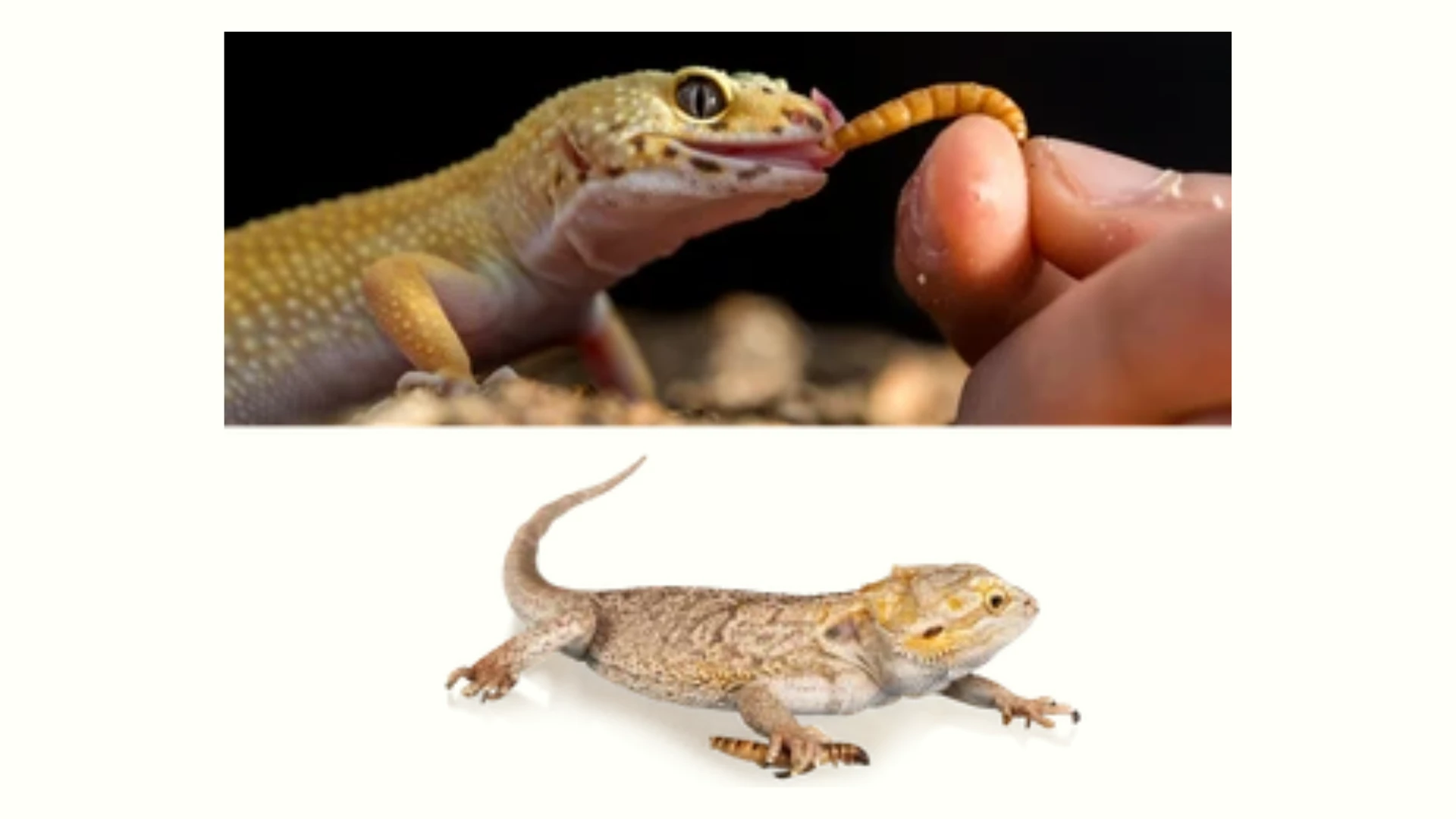
Superworms vs. Mealworms
Superworms vs. mealworms is one of the most common questions reptile keepers ask, and the answer matters more than it might seem. These two feeders look similar but differ in size, nutrition, and how they fit into a reptile's diet. Choosing the right one, or knowing when to use both, helps keep bearded dragons, leopard geckos, and other insectivores healthy. This guide breaks down the real differences in nutrition, size, and handling so you can feed with confidence.
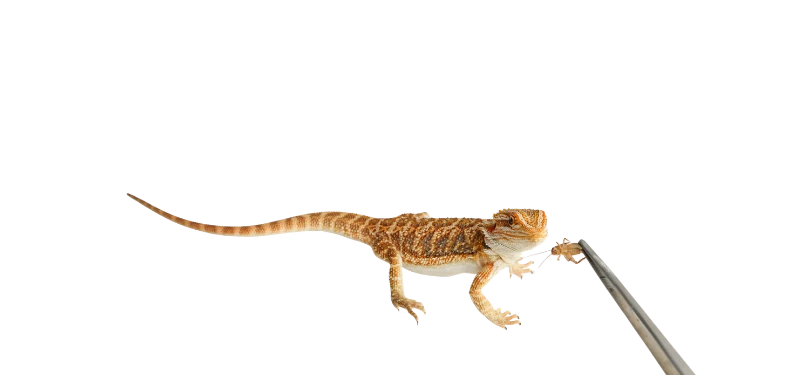
From Acheta to Banded Crickets : What We’ve Learned
At Fluker’s, we have been raising feeder insects for a long time. As a third-generation, family-owned business, we have seen plenty of changes in the reptile and feeder insect world. Some changes come from customer demand. Some come from rising costs. Some come from hard lessons learned. One of those lessons is that traditional house crickets, also known as Acheta crickets, can be less stable, which has caused several facilities to have issues with their cricket colonies over the years.