
-

Live Crickets
$6.90 - $99.99 -

Live Dubia Roaches
$6.90 - $174.90 -

Live Superworms
$7.90 - $25.90 -

Live Mealworms
$6.50 - $128.00 -

Live Hornworms
$9.90 - $18.00 -

High Calcium Cricket Diet
$5.51 - $24.32 -

Basking Spotlight Bulb
$6.60 - $7.34 -

Repta Calcium with D3
$4.19 - $6.96 -

Strawberry Banana Flavored Repta Calcium with Vitamin D3
$5.48 - $7.72 -

-

Repta Calcium without D3 (Free of Phosphorous)
$3.65 - $11.89 -

Neodymium Daylight Incandescent Light Bulb
$5.24 - $5.76 -

-

Gourmet Canned Crickets
$4.19 -

Red Heat Lighting Bulb
$5.24 - $5.66 -
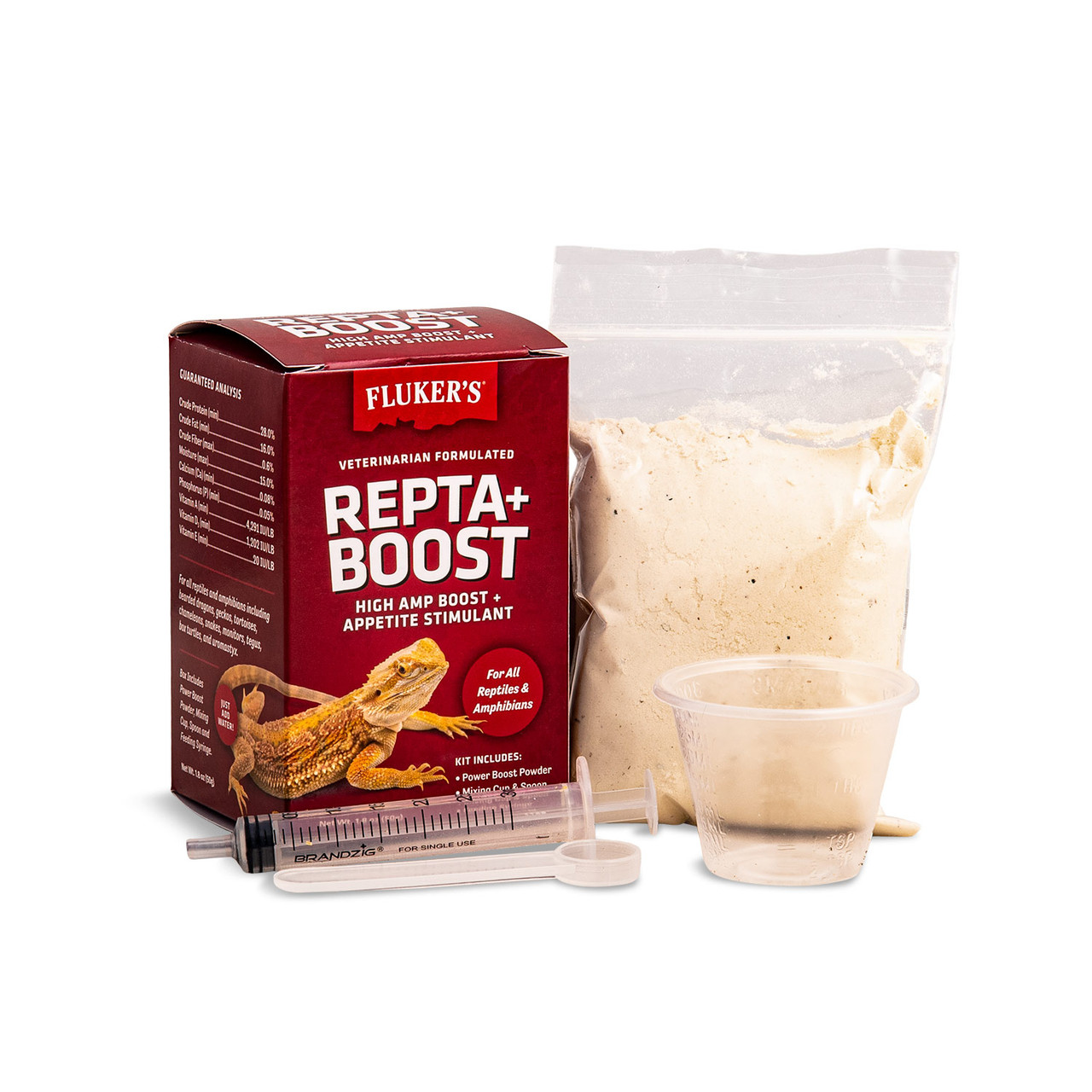
Repta Boost Supplement
$12.38 -

Gourmet Canned Mealworms
$4.19 -

Daytime Blue Heating Light Bulb
$5.24 - $5.55 -

Black Nightlight Bulb
$5.24 - $5.55 -

Fluker's Liquid Calcium
$14.33

Geckos
Discover Gecko Favorites
Product Title 0
Product Title 1
Product Title 2
Product Title 3
Product Title 4
Product Title 5
Product Title 6
Top Deal!
Product Title 7
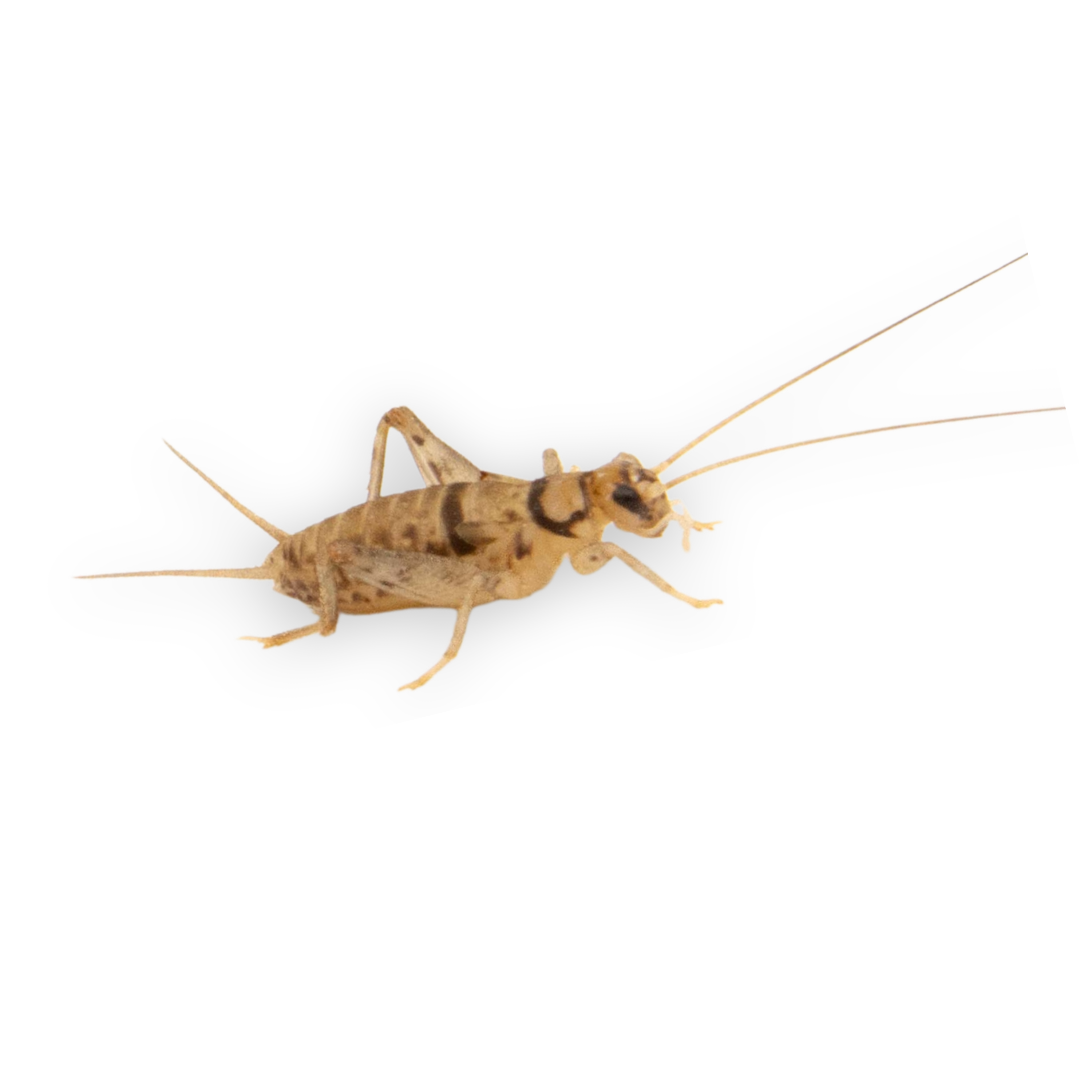


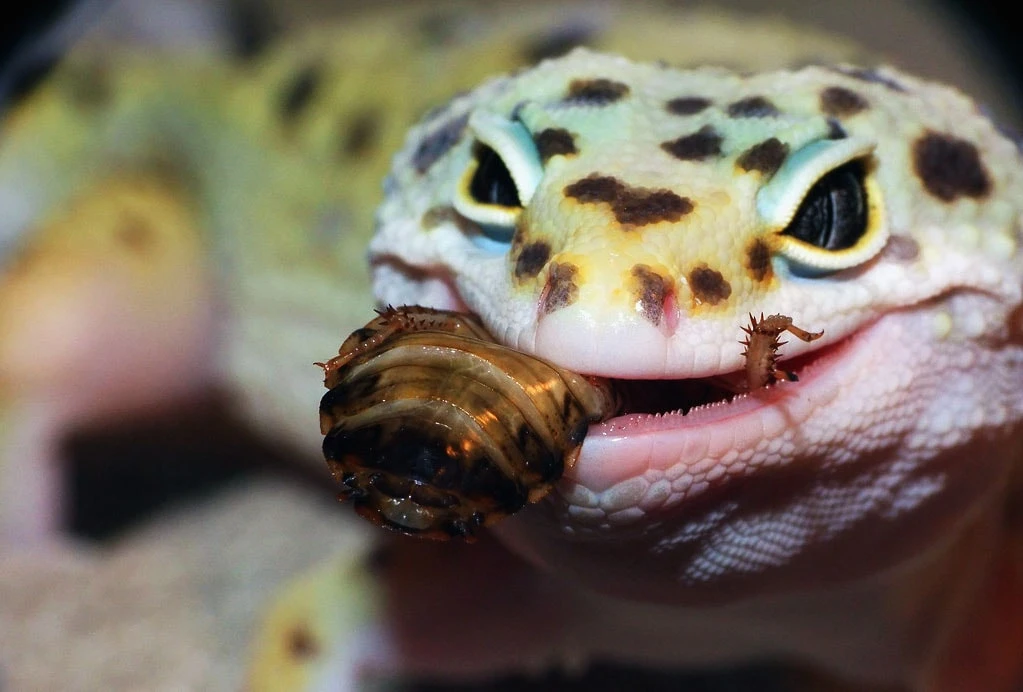
Dubia Roaches for Leopard Geckos
Dubia roaches have become one of the most popular feeder insects for leopard geckos, and they offer several practical advantages for both keepers and geckos. They are high in protein, easy to gut-load, quiet, and they cannot climb smooth surfaces or jump, which makes them far less of a hassle than crickets. If you keep a leopard gecko, dubia roaches deserve a spot in the feeding rotation. This guide covers correct sizing, how many to feed by age, gut-loading and dusting, and how dubia stack up against crickets.
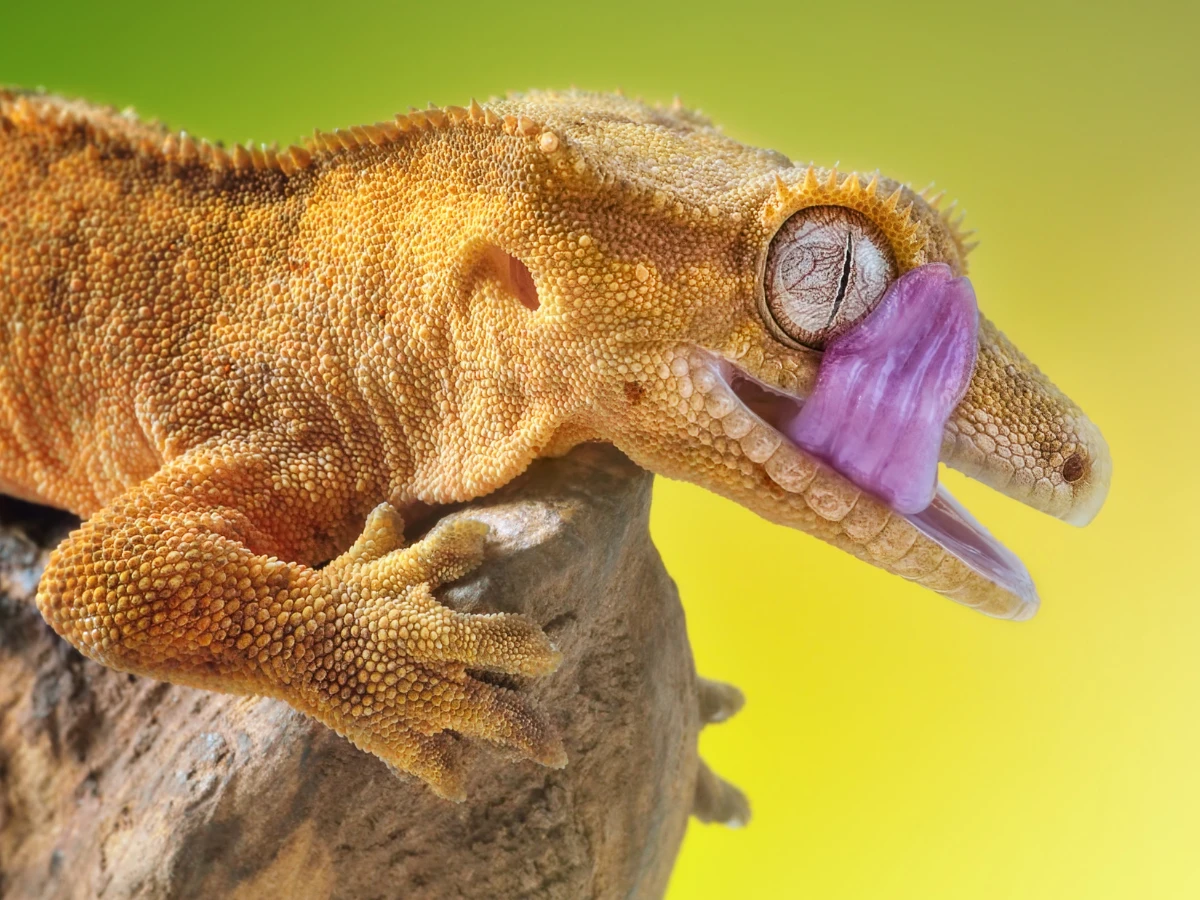
Crested Gecko Diet
The crested gecko (Correlophus ciliatus) is one of the easiest reptiles to keep — partly because the modern crested gecko diet is one of the most refined in herpetoculture. Commercial Meal Replacement Powders (MRPs) have made nutrition genuinely simple, but "easy" does not mean "thoughtless." Geckos kept on the wrong food, the wrong supplement schedule, or the wrong insect rotation may develop calcium deficiency, soft jaw, and a list of preventable problems that show up months after the mistake.
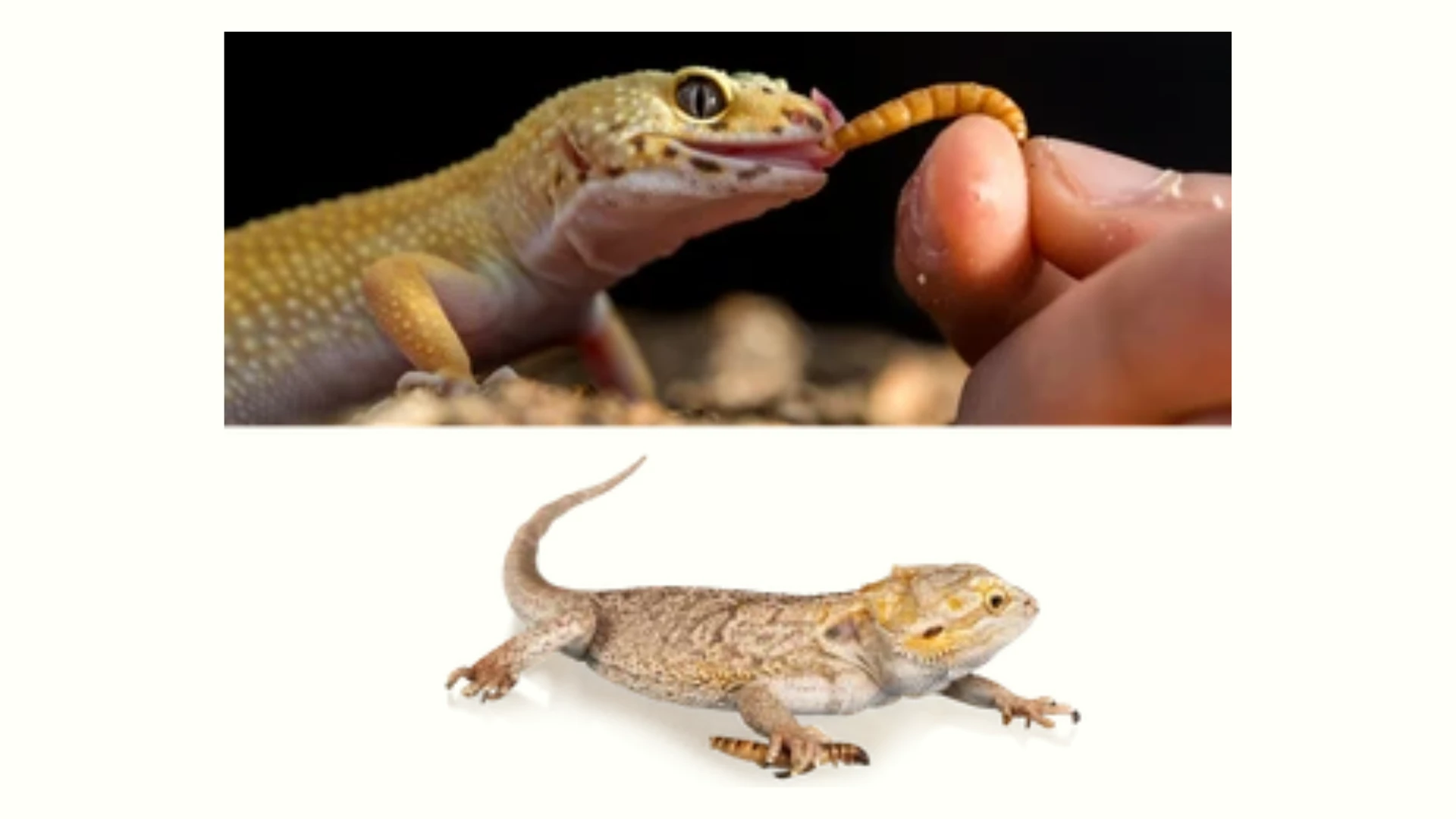
Superworms vs. Mealworms
Superworms vs. mealworms is one of the most common questions reptile keepers ask, and the answer matters more than it might seem. These two feeders look similar but differ in size, nutrition, and how they fit into a reptile's diet. Choosing the right one, or knowing when to use both, helps keep bearded dragons, leopard geckos, and other insectivores healthy. This guide breaks down the real differences in nutrition, size, and handling so you can feed with confidence.
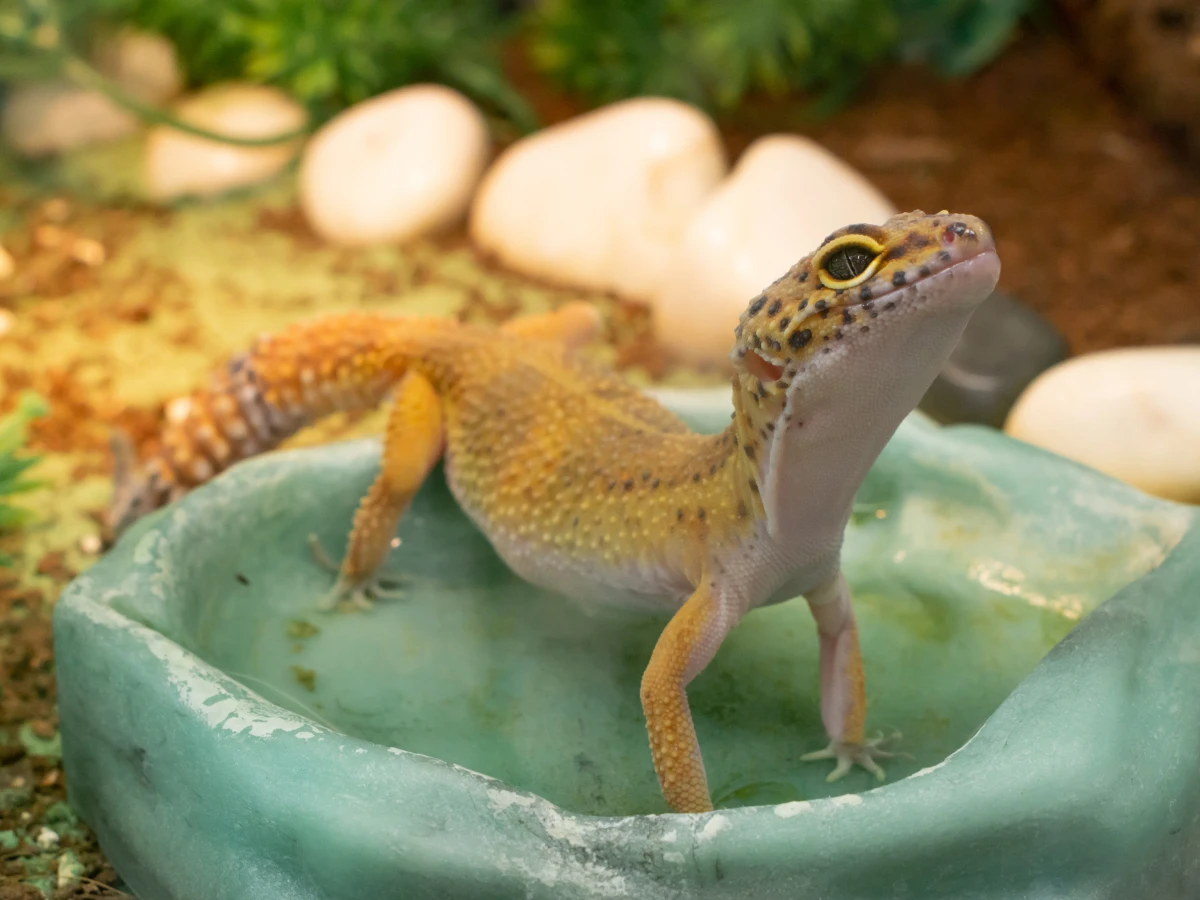
Leopard Gecko Care
Leopard gecko care is often described as easy, and compared to most reptiles, it is. They're docile, they tolerate handling, they don't need specialized UVB lighting in most setups, and they live 15–20 years on a straightforward diet of feeder insects. But "easy" doesn't mean "casual." Most of the leopard gecko problems we see, slow growth, refusal to eat, prolapses, metabolic bone disease, come from a few specific mistakes new keepers make in the first six months.