
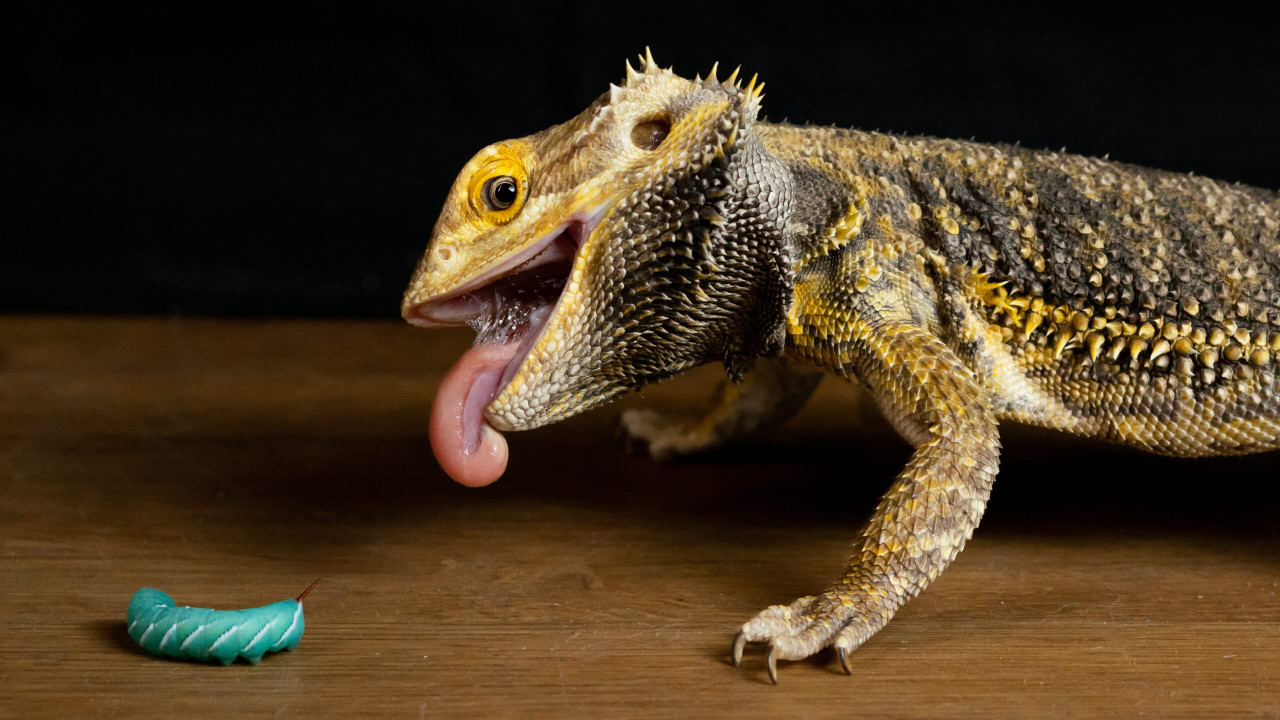
Hornworms for Bearded Dragons: Feeding Guide, Sizing, and Why Keepers Love Them
Posted by The Fluker's Team on Sep 18th 2026
Hornworms for bearded dragons are one of the most rewarding feeders you can offer — bright green or blue, hydrating, irresistible to even picky beardies, and packed with calcium. They aren't a daily staple, but as a rotation feeder and as the go-to treat for dragons recovering from illness, stress, or shedding, hornworms are hard to beat.
This guide covers what hornworms actually are, how they compare to crickets and dubia roaches, the right size for each beardie life stage, and the feeding mistakes that turn a great feeder into a problem.
What Are Hornworms?
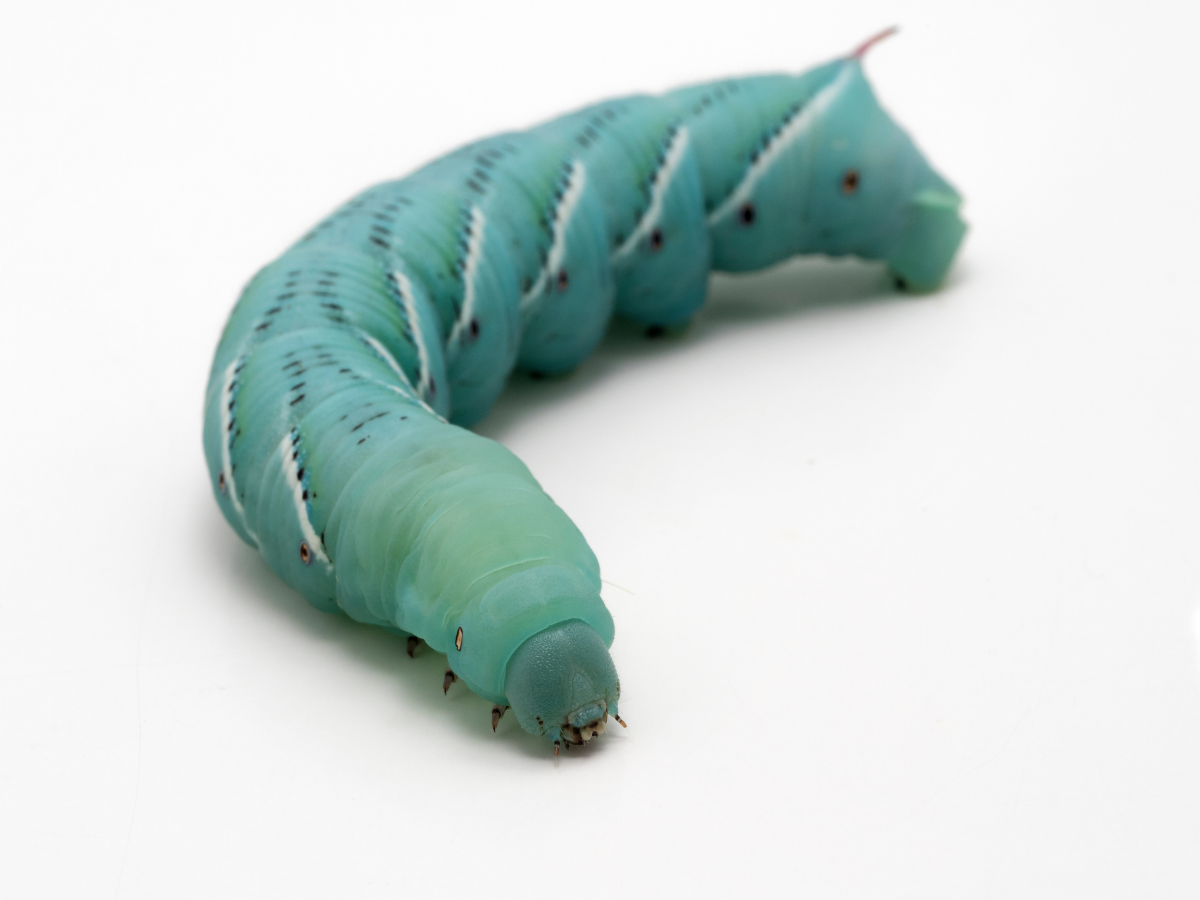
The hornworm sold as a feeder is the larval stage of the tobacco hornworm moth (Manduca sexta). In the wild, they eat tobacco and tomato plants and accumulate plant alkaloids that make them toxic. Captive-bred feeder hornworms are raised on a controlled, alkaloid-free diet, which is why feeder-grade hornworms are safe for reptiles. Never feed a hornworm you find in your garden; wild hornworms can be lethal to reptiles.
Feeder hornworms are bright neon green, soft-bodied, and grow shockingly fast. A pinhead-sized worm at delivery can hit four inches in 10 days.
Nutritional Profile
|
Nutrient |
Hornworm |
Cricket |
Dubia Roach |
|
Moisture |
85% |
73% |
65% |
|
Protein |
9% (wet) |
21% (wet) |
23% (wet) |
|
Fat |
3% (wet) |
6% (wet) |
7% (wet) |
|
Calcium:Phosphorus |
1:3 |
1:9 |
1:3 |
The headline number is the moisture content. At 85% water by weight, hornworms are the most hydrating feeder available — exactly what a dragon needs after brumation, during shed, or when recovering from impaction. The calcium-to-phosphorus ratio is also better than crickets, though it still benefits from a light calcium dust.
Why Beardies Love Hornworms
Bearded dragons are visual hunters. The bright color and twitching, looping movement of a hornworm triggers strike behavior even in dragons that have lost interest in dried feeders. Many keepers use hornworms specifically to break feeding strikes in sick or stressed dragons. Fluker Farms ships live hornworms in cup-grown trays so they arrive plump and active.
Hornworm Sizing for Bearded Dragons
Use the same rule you'd use for any feeder: no longer than the space between the dragon's eyes. Sizing guide by life stage:
-
-
- Hatchlings (0–3 months): 0.5" hornworms, 1–2 per feeding
- Juveniles (3–6 months): 1–1.5" hornworms, 2–3 per feeding
- Sub-adults (6–12 months): 2" hornworms, 2–4 per feeding
- Adults (12+ months): 2–3" hornworms, 2–4 per feeding
-
Adults can occasionally take 4" hornworms but it's pushing the size rule. When in doubt, smaller is safer.
How Often to Feed
Hornworms are best used as a rotation feeder, not a daily one. The high moisture and relatively low protein per worm means you'd need to feed a lot of them to meet daily protein targets, which causes runny stools.
A practical rotation:
-
-
- Juveniles: Hornworms 1–2 times per week, dubia roaches or crickets the rest of the week
- Adults: Hornworms 2–3 times per month as a treat or hydration boost
- Recovering or shedding dragons: Daily hornworms for 3–5 days, then return to rotation
-
Storage and Care
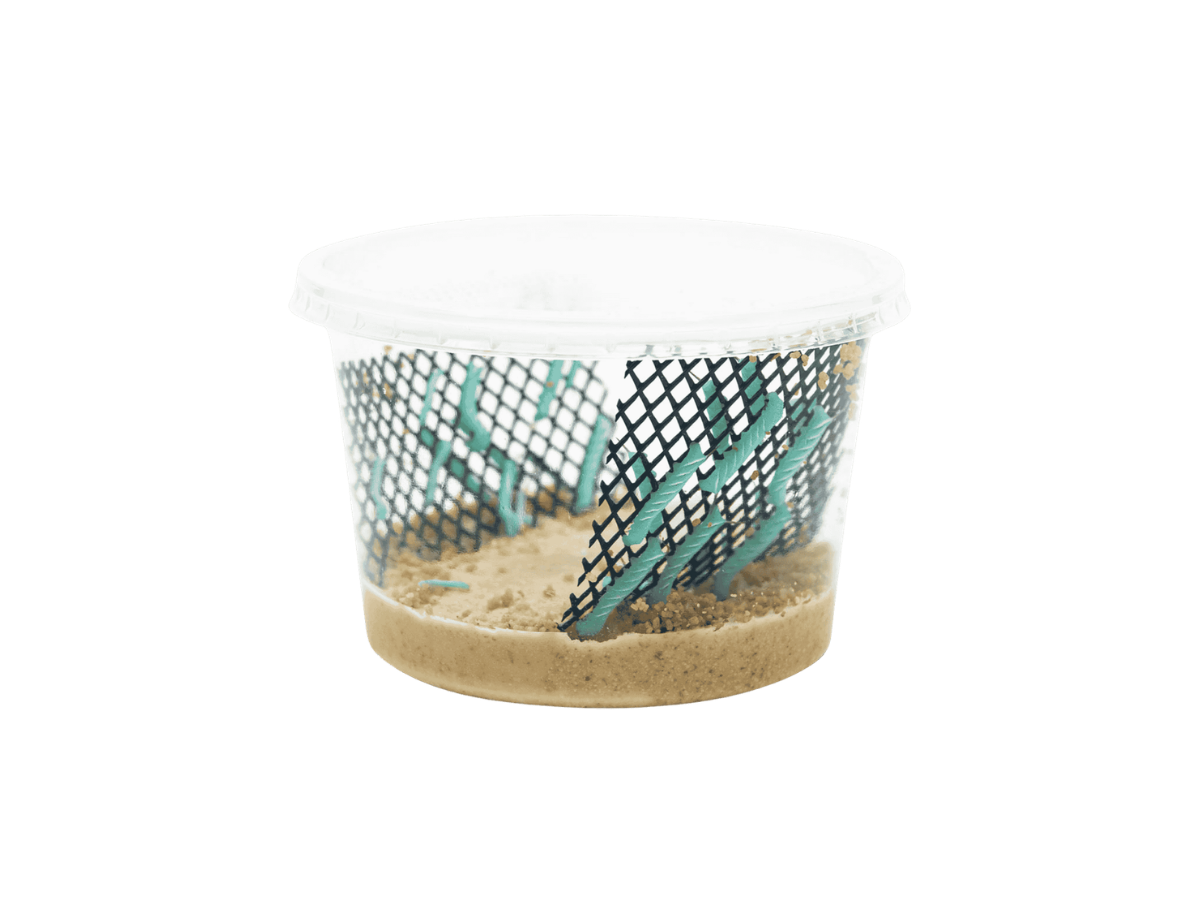
Hornworms ship in plastic cups with a green food paste at the bottom. To extend life:
-
-
- Keep the cup upright. The food is on the lid; gravity does the work.
- Room temperature, 70–80°F. Don't refrigerate — they go dormant and may not recover.
- Don't open the cup until you're ready to feed. They escape fast.
- Use within 7–10 days for small worms, 4–6 days for medium. Hornworms grow rapidly and outgrow safe feeder size quickly.
-
If you want them to stay small, cooler temperatures (around 60°F) slow growth without killing them.
Common Mistakes
-
-
- Feeding hornworms that are too big. Impaction risk is real if the worm exceeds the eye-width rule.
- Using as the only feeder. Protein is too low to support growth alone.
- Buying wild hornworms. Garden hornworms are toxic. Always buy captive-bred feeders.
- Letting them outgrow. A 4" hornworm at week 2 isn't ideal for most dragons. Order the size you'll use within a week.
- Cold storage. Refrigeration usually kills them.
-
Hornworms for Other Reptiles
Hornworms work well for other species too:
-
-
- Leopard geckos: Small-size hornworms 1–2 times per week
- Crested geckos: Occasional treat; their primary diet is meal replacement powder
- Chameleons: Excellent rotation feeder, hydrating and visually stimulating
- Tegus: Adults handle large hornworms easily
-
See Fluker Farms' reptile care sheets for species-specific feeding plans.
Frequently Asked Questions
Are hornworms safe for baby bearded dragons?
Yes, at the right size (0.5" or smaller), one to two per feeding. They're hydrating and easy to digest, which is good for hatchlings. Don't make them the only feeder — protein needs are too high at that age.
Do hornworms need to be gut-loaded?
No. Hornworms come pre-loaded on a vitamin-rich food paste in their cup. The food is the gut load. Just dust lightly with calcium before feeding.
Can I breed hornworms at home?
It's possible but difficult. The hawk moth needs to mate, lay on tobacco or tomato leaves, and you need a controlled diet for the larvae. Most keepers find buying captive-bred hornworms far easier.
Why is my dragon ignoring hornworms?
Usually the worm is moving too slowly because it's cool. Warm the cup to room temperature for 15 minutes and re-offer. If your dragon is in brumation, hornworms can wait.
How long do hornworms live?
In cups at room temperature, 1–2 weeks before they outgrow feeder size. Cooler temperatures stretch that to 3 weeks but slow growth significantly.
Final Take
Hornworms for bearded dragons are the rotation feeder every keeper should have on rotation a few times a month. They hydrate, they stimulate appetite, and they're calcium-favorable in ways most feeders aren't. Build them into your beardie's feeding plan and reserve them for shed days, post-brumation recovery, or any time you need to break a feeding strike.
Fluker Farms ships live hornworms cup-grown and farm-fresh from Louisiana. Pair them with live crickets and dubia roaches for a complete, varied feeder rotation.