
Superworms vs. Mealworms: Which Feeder Insect Is Best for Your Reptile?
Posted by The Fluker's Team on Aug 17th 2026
Superworms vs. mealworms is one of the most common questions reptile keepers ask, and the answer matters more than it might seem. These two feeders look similar but differ in size, nutrition, and how they fit into a reptile's diet. Choosing the right one, or knowing when to use both, helps keep bearded dragons, leopard geckos, and other insectivores healthy. This guide breaks down the real differences in nutrition, size, and handling so you can feed with confidence.
The Quick Answer
Neither feeder is simply better; they serve different roles. Mealworms are a smaller, convenient staple and treat. Superworms are larger, higher in fat, and better suited as an occasional feeder for bigger reptiles or as an enrichment treat. The best diets often include both, rotated for variety, since no single insect provides complete nutrition on its own.
What Are Mealworms and Superworms?
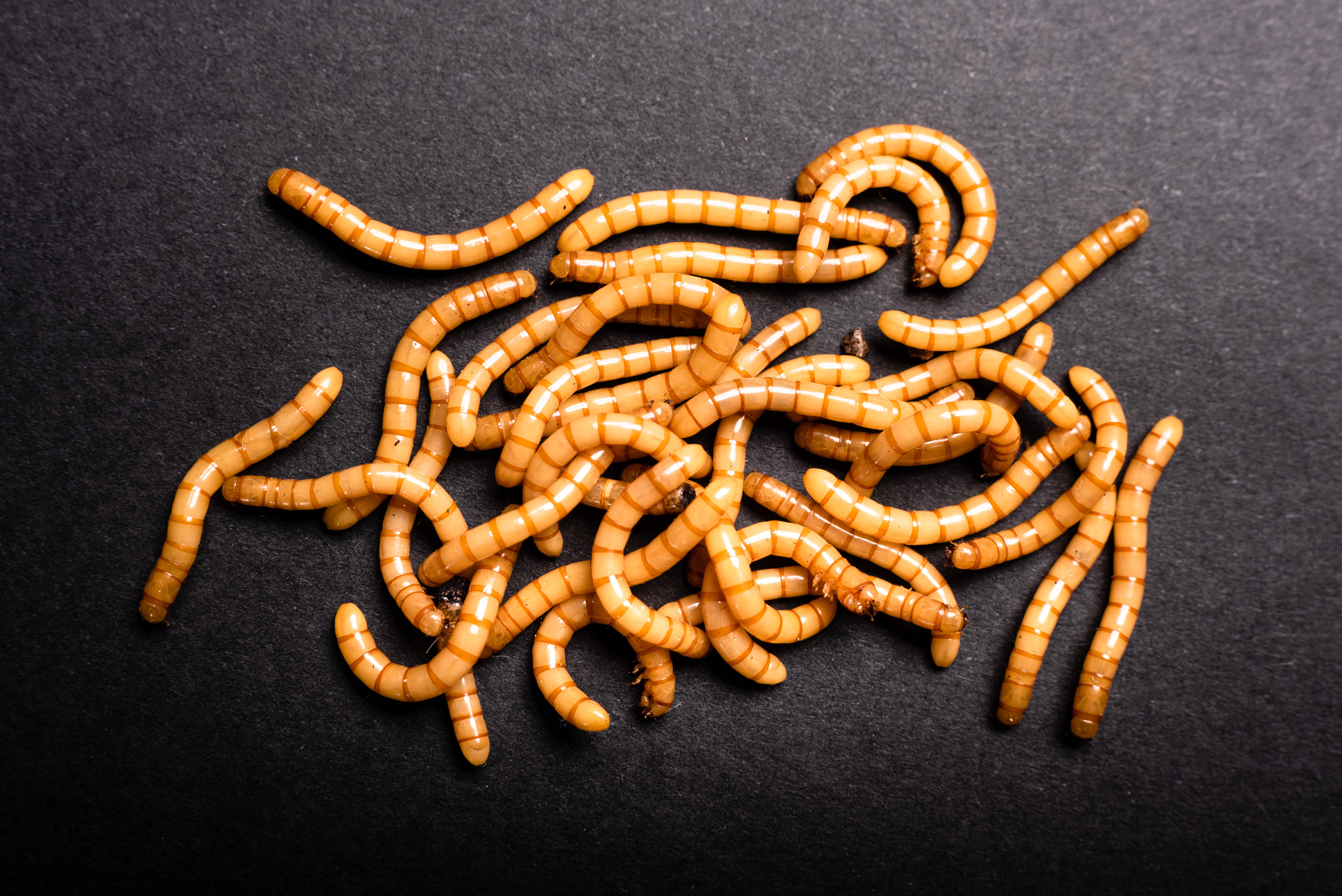
Mealworms are the larvae of the darkling beetle (Tenebrio molitor). They are small, typically about 1 inch long, with a relatively hard exoskeleton. They are widely available, inexpensive, and easy to store, even refrigerated to slow their development.
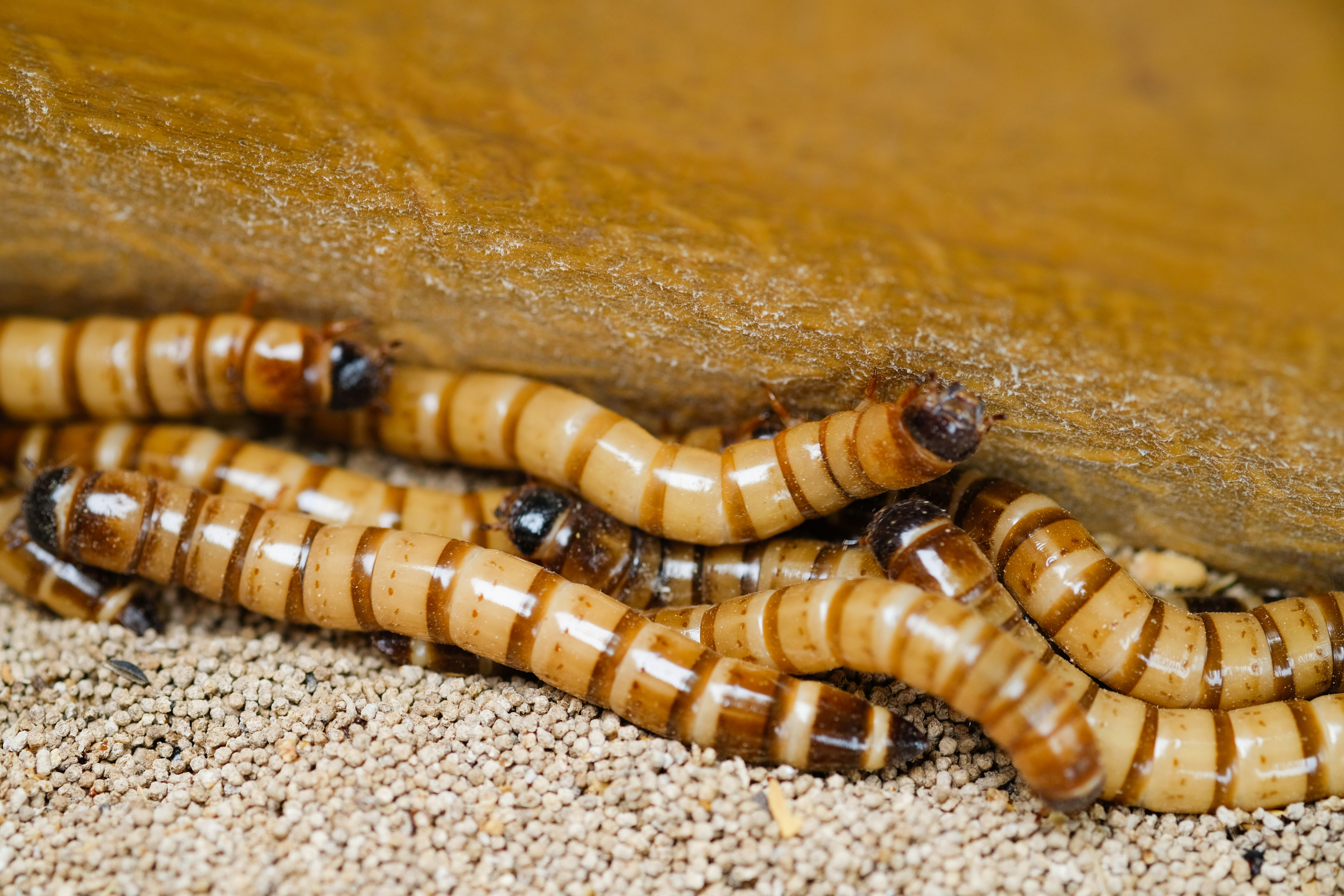
Superworms are the larvae of a different darkling beetle (Zophobas morio). They are much larger, often 1.5 to 2 inches, softer-bodied, and more active, which makes them attractive to reptiles that respond to movement. Unlike mealworms, superworms should not be refrigerated, as cold can kill them.
Nutrition: Superworms vs. Mealworms
Both are protein-rich, but the fat content is the key difference. Superworms are generally higher in fat than mealworms, which makes them a calorie-dense feeder useful for underweight animals or as an occasional treat, but one to limit for reptiles prone to obesity. Both have a relatively high chitin (exoskeleton) content compared with softer feeders, which provides fiber but can be harder to digest for very young or small reptiles.
Neither worm has a favorable calcium-to-phosphorus ratio, so both must be dusted with a calcium supplement and gut-loaded to round out their nutrition. Following established reptile nutrition guidance, such as the resources from the Association of Reptilian and Amphibian Veterinarians, helps prevent metabolic bone disease.
A simple way to remember it: mealworms are the leaner everyday option, superworms are the richer, larger treat.
Size and Which Reptiles Each Suits
Sizing always follows the golden rule: never feed prey wider than the space between a reptile's eyes.
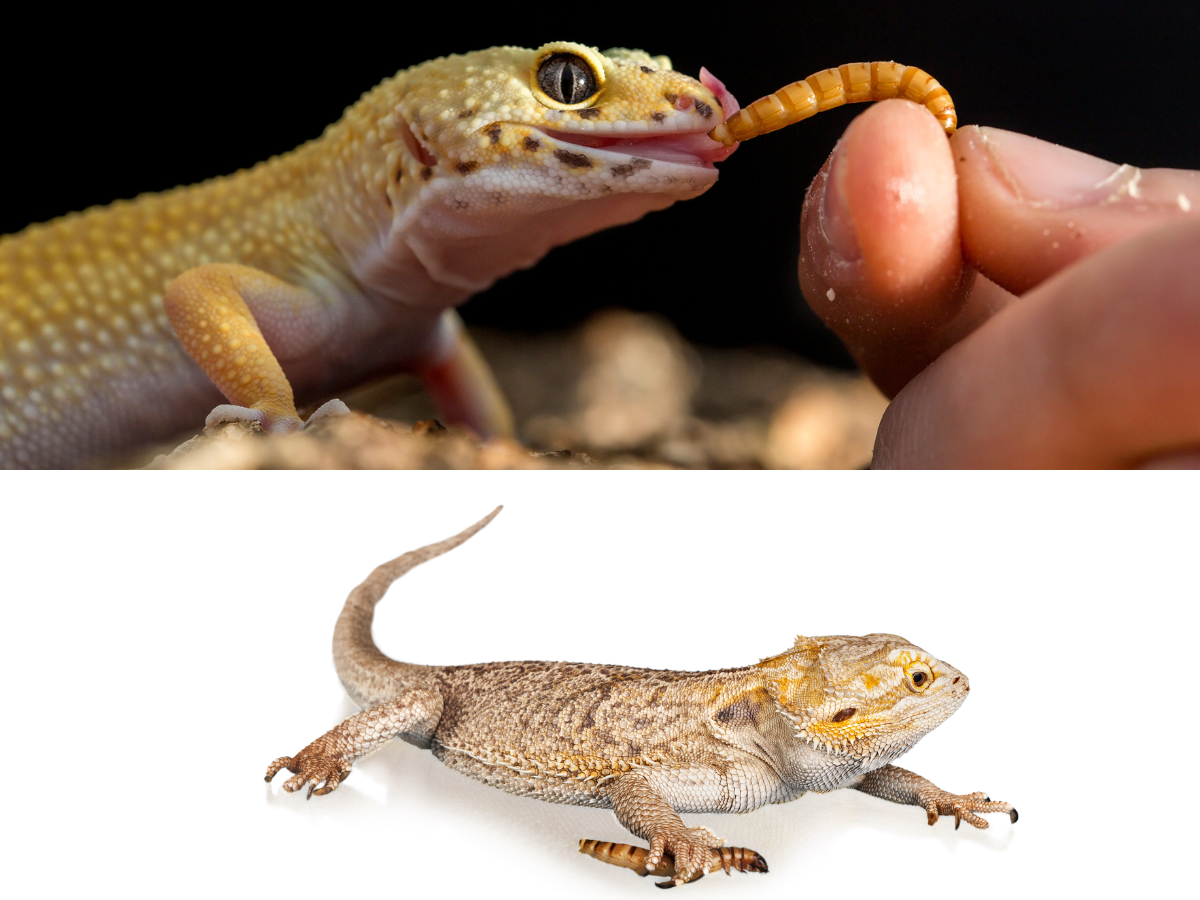
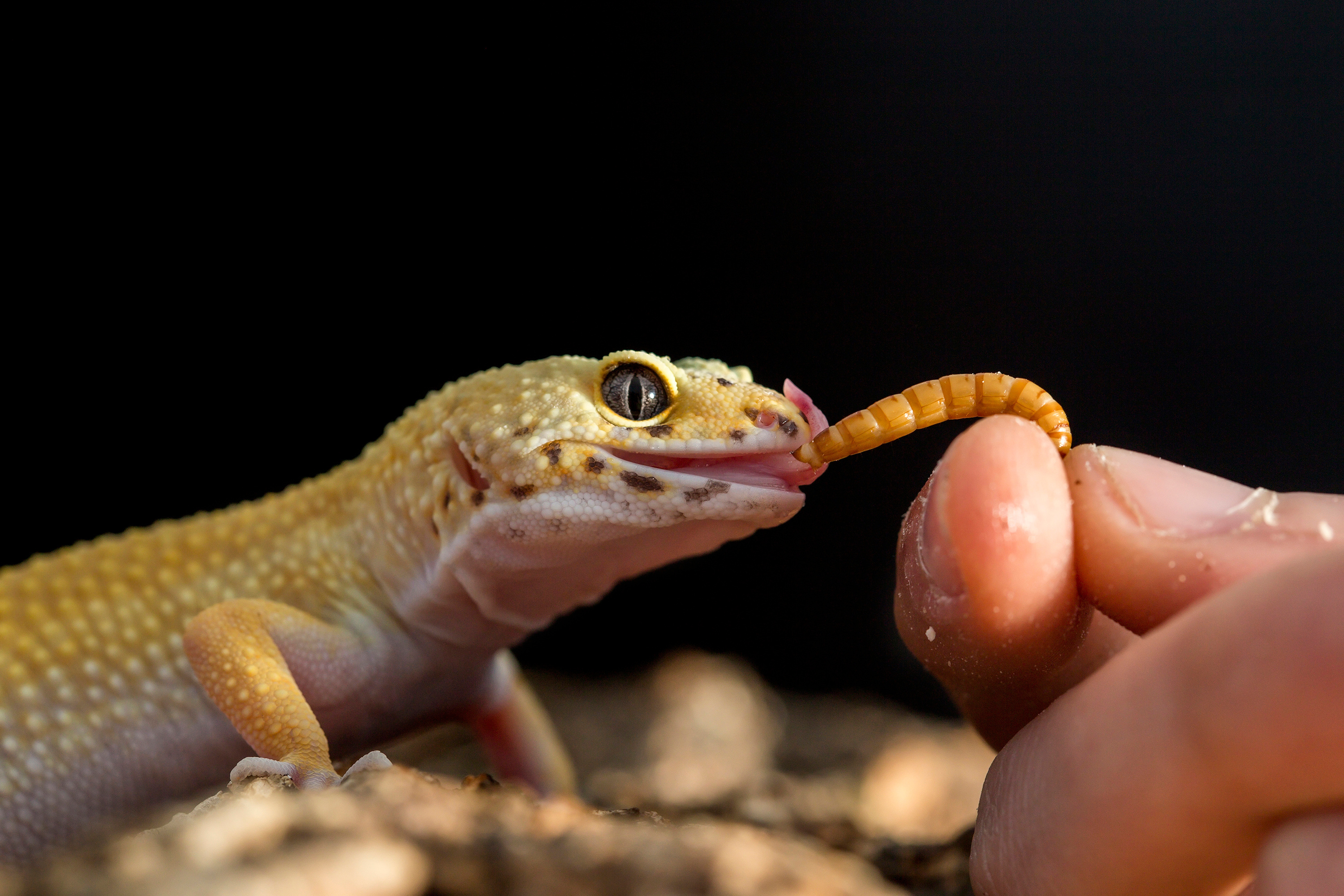 Leopard geckos and smaller insectivores: mealworms are a better fit. Superworms are often too large and too fatty for routine feeding, though an adult leopard gecko can take an occasional superworm as a treat.
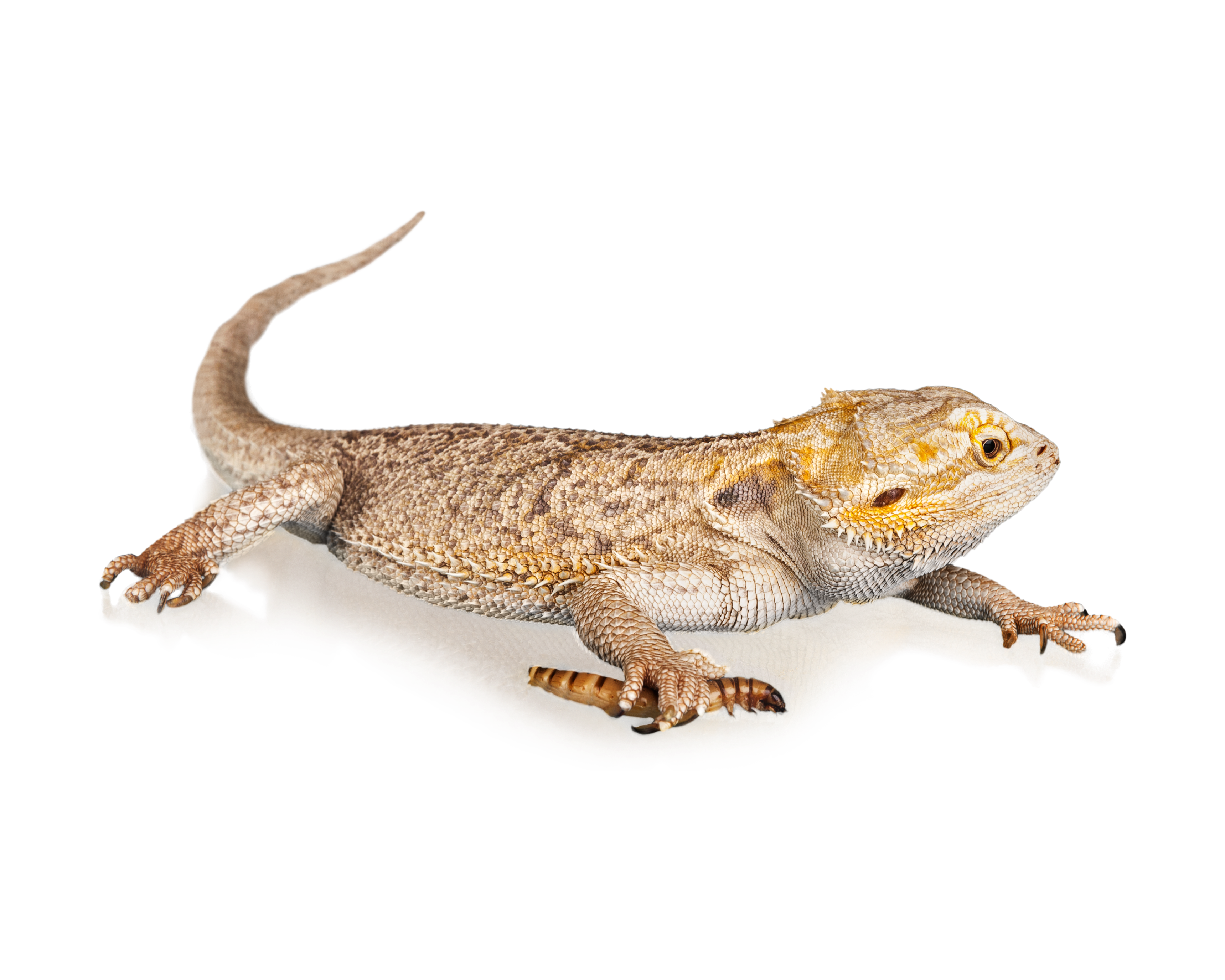
- Adult bearded dragons: superworms work well as an occasional feeder thanks to their size, while mealworms can be offered but are small for a large dragon. Note that mealworms are generally not recommended as a staple for juvenile bearded dragons due to chitin and impaction concerns.
-
- Larger lizards, monitors, and big skinks: superworms suit their larger mouths.
For any species, variety beats relying on one feeder. Rotate worms with other staples like crickets or dubia roaches.
Handling and Storage
Mealworms are the low-maintenance choice. They keep for weeks and can be refrigerated to pause their growth, making them easy to have on hand.
Superworms require room-temperature storage with a bit of food (like oats or vegetable pieces) and should not be refrigerated. They are more active and can bite, so use tongs or a feeding dish, especially with smaller reptiles. Crushing the head before feeding superworms to small animals is a common precaution some keepers take.
Both worms can burrow into loose substrate, so feeding in a dish helps prevent uneaten feeders from hiding.
Gut-Loading and Dusting Both Worms
Whatever you choose, the prep is the same. Gut-load the worms for 24 to 48 hours on fresh vegetables and a quality commercial diet so they carry that nutrition to your reptile. Then dust with a calcium supplement (and a multivitamin on schedule) right before feeding. This step turns a nutritionally incomplete insect into a balanced meal and is the single most important thing you can do to keep a feeder-fed reptile healthy.
Superworms vs. Mealworms at a Glance
| Factor | Mealworms | Superworms |
| Size | ~1 inch | 1.5 to 2 inches |
| Fat content | Lower | Higher |
| Body | Harder shell | Softer, more active |
| Storage | Weeks; can refrigerate | Room temp; do not refrigerate |
| Best for | Smaller reptiles, everyday | Larger reptiles, treats |
FAQ
Are superworms or mealworms better for bearded dragons?
For adult bearded dragons, superworms are a good occasional feeder due to their size, while mealworms are small and best limited. Neither should be the sole diet; rotate with crickets, dubia roaches, and greens.
Are superworms higher in fat than mealworms?
Yes. Superworms are generally fattier, which makes them a good treat or weight-gain feeder but one to limit for animals prone to obesity.
Can leopard geckos eat superworms?
Adults can have the occasional superworm as a treat, but mealworms or smaller feeders are better for routine feeding. Always size prey to the space between the gecko's eyes.
Do I need to dust both worms with calcium?
Yes. Both have poor calcium ratios, so gut-load and dust with calcium before feeding to prevent metabolic bone disease.
Can I refrigerate superworms like mealworms?
No. Cold kills superworms. Keep them at room temperature with a little food. Mealworms, by contrast, can be refrigerated to slow their growth.
The Bottom Line
In the superworms vs. mealworms debate, the smart answer is usually both: mealworms as the leaner everyday option for smaller reptiles, superworms as the larger, richer treat for bigger ones. Gut-load and dust either one, size it correctly, and rotate for variety. Stock your feeders with Fluker Farms' live superworms and live mealworms, and dig deeper in our reptile care sheets, raised and written by insect experts since 1956.