
Endangered Species
May 5th 2026
Ancient Reptiles Are Disappearing—and What We Can Still Do
Endangered Species Spotlight: Why Awareness Matters
Endangered reptile and insect species are disappearing at an alarming rate due to habitat loss, climate change, and illegal wildlife trade. Protecting them requires urgent global efforts and an increase in public awareness for the best attempt to restore ecological balance. In recognition of National Endangered Species Day, we’re highlighting a few species to help bring awareness to conservation efforts.
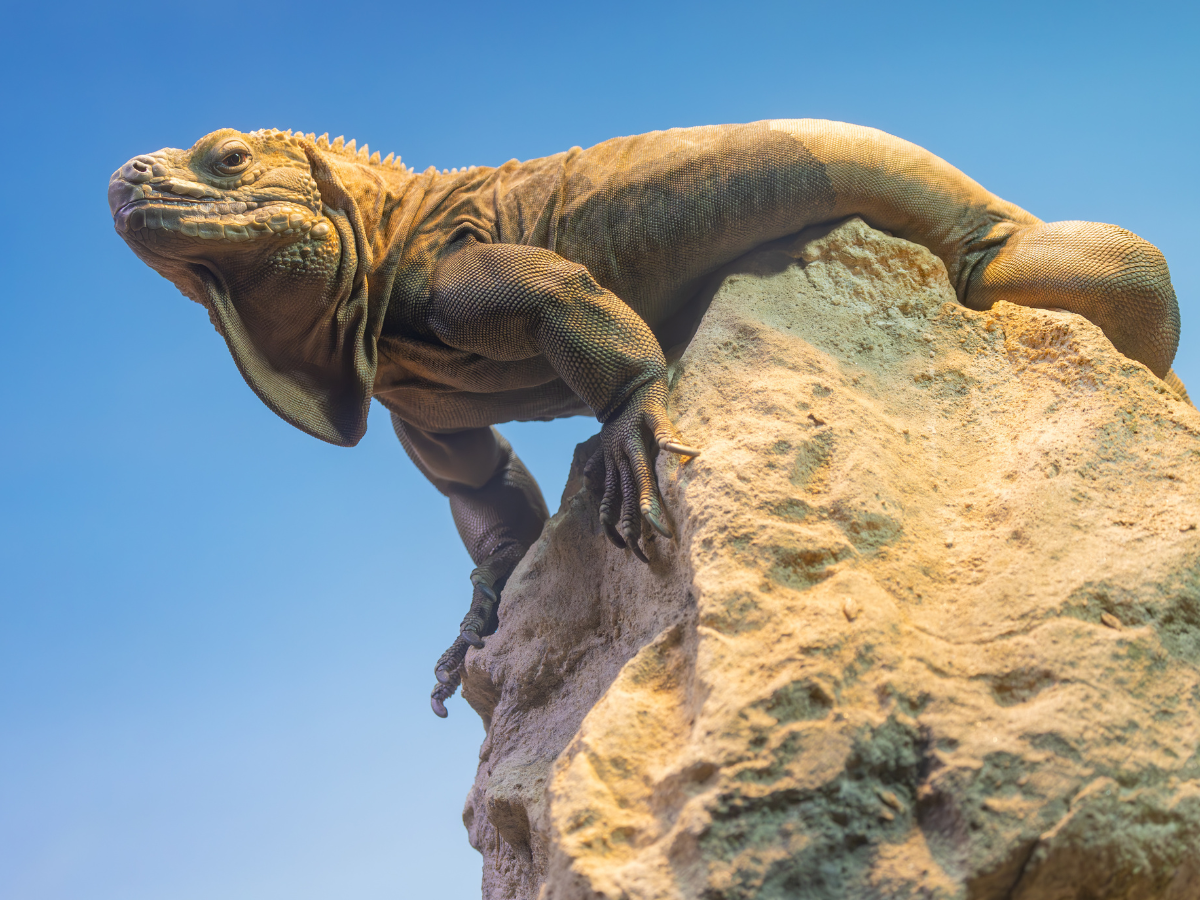
Reptiles play an important role in keeping ecosystems balanced, which may not get a lot of credit due to a misunderstanding of their contributions. For example, lizards such as the Jamaican Iguana, which is a critically endangered species, are one of the biggest contributors for seed dispersal. As a primarily herbivorous reptile, it eats fruits, leaves, and flowers. The seeds from the fruits pass through its digestive system and are deposited elsewhere, helping plants spread and regenerate. This is especially valuable in fragile habitats where fewer large animals remain to do this job.
The Impact of Poaching
A common issue that reptiles run into is poaching due to impressive scale colors and patterns, along with rare access to purchase on the reptile market. The Radiated tortoise is a huge victim of this problem. The reptile market may have a demand for rare species with a high dollar that could have a roll in poaching. To help make a change, asking for an animal's history when it comes to purchasing may help sway if it's worth purchasing a higher priced, more rare species. Smaller species are affected by this harmful practice as well, such as the Gooty Sapphire tarantula, a highly sought out tarantula in the reptile hobby due to its bright colors and niche personality.
Insects Matter Too
Some endangered insects can play multiple roles in different ecosystems. The Hines Emerald Dragonfly is a great representation of this. Dragonflies are already voracious predators, keeping pest populations down. While they hunt smaller insects, they are eaten by birds, fish, frogs, and spiders. This makes them an important link connecting different levels of the ecosystem. Dragonflies depend on clean freshwater to reproduce; their presence is a strong sign of a healthy ecosystem. If dragonfly populations decline, it often signals pollution or poor water quality. If dragonfly populations continue to decline, it can signal pollution, poor water quality, and will eventually lead to an increase in pest population.
Advances in Conservation
Endangered species had one of the largest wins towards public awareness when the International Union for Conservation of Nature’s Red List of Threatened Species became established in 1964, the world’s most comprehensive information source on the global conservation status of animal. This gave real data to people across the globe that wish to see where these animals lay in the world.
What can I do?
Endangered reptiles are more than just ancient survivors; they’re vital in the ecosystems that sustain life. Taking action in little steps can go a long way when it comes to protecting fragile animals and plants. Each species has its own calling for help from humans which makes it our job to take the strides for a better future. A better quality of life for the earth is a healthier home for us as well.
When we mention acting one step at a time, a great start is picking one thing that may have an ecological impaction, such as using multiple plastic water bottles a day. By switching out to a reusable, you're cutting down on waste by 100%. Another small, yet helpful decision could be limiting the number of synthetic fertilizers being placed in your garden beds. By seeking out natural remedies such as insect frass, you're allowing your garden to benefit from natural components that insects would normally give in the wild.
Making these small switches one at a time can have long-lasting, healthy effects to not only you, but to the environments we share with these fantastic creatures.