
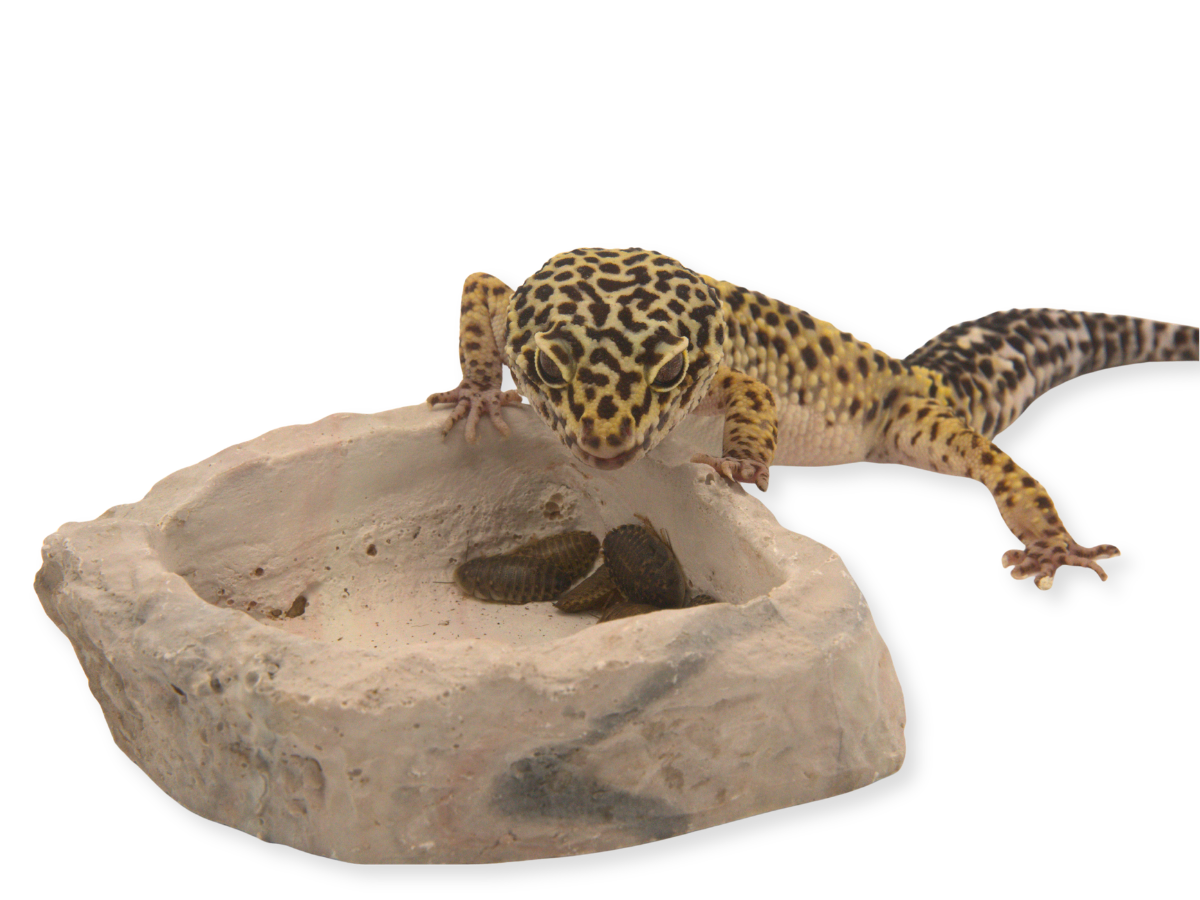
Beat the Heat: Spotting Heat-Stressed Feeders and What to Do When Your Box Arrives
Posted by The Fluker's Team on Jul 7th 2026
Summer shipping is hard on live insects. When a box of crickets, mealworms, or hornworms rides through a 95-degree truck or sits on a warm porch, the damage isn’t always obvious the moment you open the lid. Heat stress can look fine on day one and then show up two or three days later as die-off. Knowing what to watch for — and acting fast — is the difference between a thriving colony and a wasted order. Here’s how to read the signs across every feeder we ship, what to do the moment your package lands, and how our Live Arrival Guarantee has your back.
Why Heat Is the #1 Summer Shipping Risk
Feeder insects are cold-blooded, so their metabolism races when temperatures climb. Inside a sealed shipping box with no airflow, heat builds fast and humidity spikes as insects respire. That combination — high heat plus trapped moisture — is what kills feeders, not a single hot moment.
The tricky part is the delay. Insects that overheated in transit may still be moving when you open the box, but the internal stress has already started. Over the next 24 to 72 hours you’ll see the losses catch up. That’s why a box that “looked okay” on arrival can crash by day three. Treat every summer delivery as time-sensitive, and get your feeders out of the shipping container and into proper conditions immediately.
General Signs of Heat Stress (All Species)
Before we get species-specific, here are the universal red flags to check the moment you open a box:
- Condensation or a “wet” smell inside the container — a sign heat and humidity ran high in transit.
- Sluggish or unresponsive insects that don’t scatter or move when disturbed.
- A sour or ammonia-like odor, which points to die-off that’s already begun.
- Clumping or piling in one spot, often away from ventilation.
- Discoloration — darkening, blackening, or a greasy sheen on bodies.
If you see these, don’t panic and don’t toss the box. Follow the steps below, and document what you find.
Species-by-Species: What Stress Looks Like
Crickets
Healthy crickets are active, jumpy, and vocal. Heat-stressed crickets go quiet and lethargic, cluster at the bottom of the container, and show a spike in die-off over the first two to three days. A strong ammonia smell and a layer of dead crickets at the bottom are classic delayed heat casualties. Move them into a well-ventilated container right away and hold off on heavy feeding until they’ve stabilized.
Mealworms & Superworms
These are among the hardiest feeders, which can mask trouble. Watch for mealworms and superworms that have turned dark brown, black, or gone soft and mushy — healthy ones are firm and tan. A foul smell or a slimy, moist bedding means heat and humidity got to them. Superworms are especially sensitive to being chilled after overheating, so bring them to room temperature gradually rather than shocking them cold.
Dubia Roaches
Dubia are tough, but heat still takes a toll. Stressed dubia become lethargic, stop clinging to surfaces, and may curl or dry out along the edges if the box overheated and dried. Look for adults on their backs unable to right themselves and nymphs that appear shriveled. Give them airflow, a shallow water source or moisture-rich veggie, and a day to recover before feeding out.
Hornworms & Others (Wax Worms, Black Soldier Fly Larvae)
Hornworms are the most heat-sensitive of the group. In their cups, watch for worms that have gone limp, dark, or leaked fluid, plus condensation fogging the cup — a bad sign in warm weather. Discoloration and a mushy texture mean losses are coming. Wax worms should be plump and cream-colored; darkening or a web-heavy, foul cup signals stress. Keep hornworm cups upright, out of direct light, and at cool room temperature — never refrigerate hornworms.
What to Do the Moment Your Box Arrives
Fast, calm action saves feeders. Work through this checklist:
- Open and inspect immediately. Don’t leave the box on a hot porch or in a warm car. Bring it inside the second it arrives.
- Get feeders out of the shipping container and into a properly ventilated habitat with the right substrate and hydration for that species.
- Cool gradually, never suddenly. Move overheated insects to a cool, shaded room-temperature spot. Avoid dumping them straight into a fridge or A/C blast, which adds a second shock.
- Provide hydration and airflow, but avoid soaking bedding — excess moisture in the heat makes things worse.
- Separate obvious dead from the living to slow ammonia buildup and give survivors a clean environment.
- Give them 24 hours before you judge the outcome, and keep an eye out through day three for delayed loss.
Our Live Arrival Guarantee Has You Covered
Every Fluker Farms feeder order is backed by our Live Arrival Guarantee. If your feeders don’t arrive alive, we’ll make it right — with a replacement order at no extra cost when live arrival is guaranteed, or a refund or credit toward your next order when a replacement isn’t possible.
Two things to remember so we can take care of you quickly:
- Report within 2 business days of delivery. This is the window for a valid claim, so inspect your box as soon as it lands.
- Submit a claim through our Credit Request Form, and take photos of the affected feeders as soon as you open the box — documentation helps us process your credit fast.
Because heat losses can appear a day or two after delivery, don’t wait to reach out if things look wrong. We’d always rather hear from you early.
The Bottom Line
Heat stress is sneaky — it can hide behind a box that looks fine at first and then show up days later. Inspect every summer delivery the moment it arrives, know the warning signs for your specific feeders, and cool your insects gradually into a ventilated home. And if something goes wrong in transit, our Live Arrival Guarantee means you’re never on your own.
Questions about a summer order? Contact our team or file a claim through our Credit Request Form within 2 business days of delivery.