
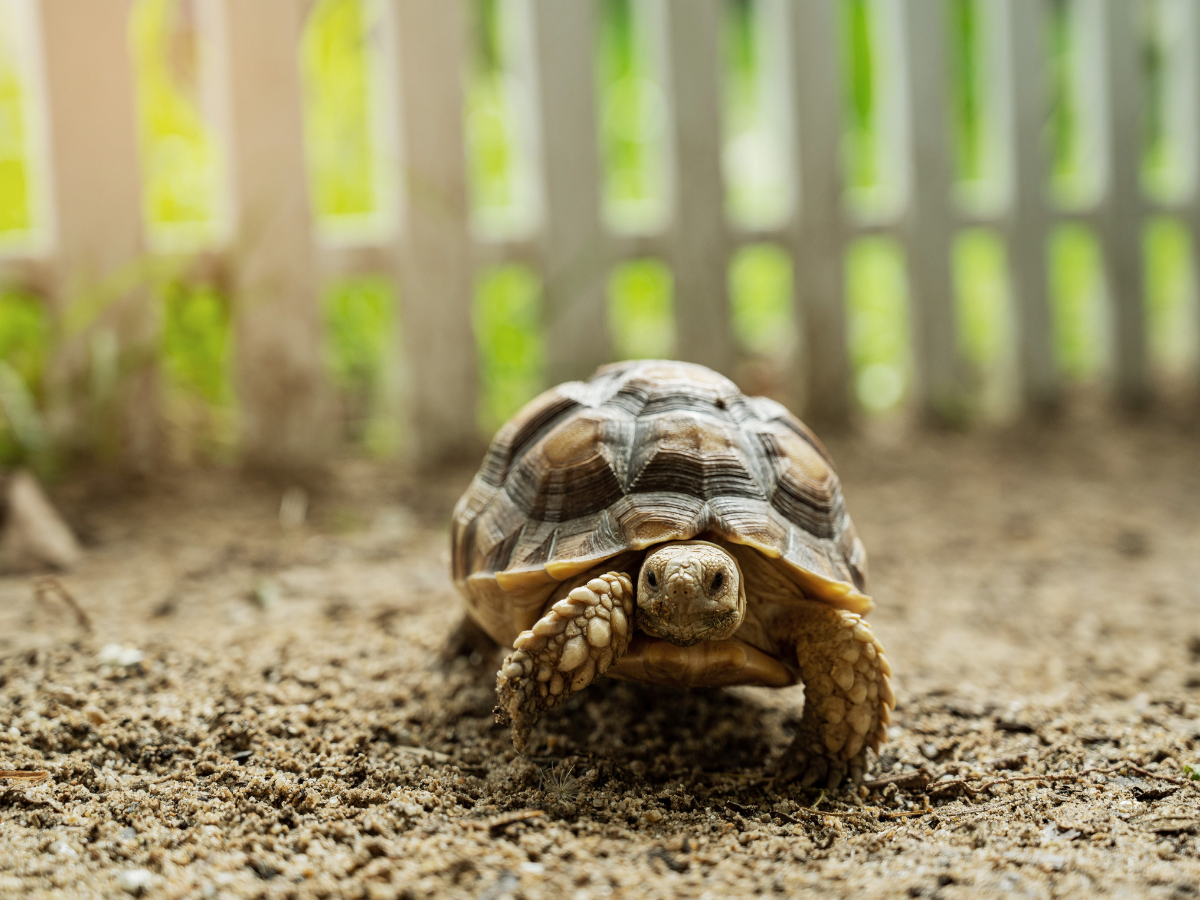
Tortoise Diet: What to Feed (and Never Feed) for a Long, Healthy Life
Posted by The Fluker's Team on Sep 2nd 2026
Getting a tortoise diet right is the single most important thing you can do for a pet that may outlive you. Tortoises are long-lived herbivores with sensitive digestive systems built for high-fiber, low-protein, low-sugar plant matter. Feed them the wrong foods, especially too much fruit, protein, or rich produce, and you set the stage for shell pyramiding, bladder stones, and organ damage that show up years later. This guide covers what to feed, what to avoid, how calcium and fiber fit in, and how diet differs between grassland and forest species.
How a Tortoise Eats in the Wild
Most commonly kept tortoises, such as the Russian, Hermann's, Greek, sulcata, and leopard tortoises, are grazers that evolved on arid grasslands and scrublands. Their natural diet is coarse, fibrous, and low in calories: grasses, weeds, leaves, and flowers. Their digestive tract is designed to process large amounts of fiber slowly. This is why a captive diet built on watery, sugary, or protein-rich foods, which their systems never adapted to, causes so many problems. The closer you match that wild grazing pattern, the healthier your tortoise will be.
The Foundation: Leafy Greens, Weeds, and Grasses
The bulk of a healthy tortoise diet, roughly 80 percent or more, should be leafy greens, edible weeds, and for grazing species, grasses and hay.
Excellent staples include:
-
-
- Dandelion greens and flowers
- Collard, mustard, and turnip greens
- Endive, escarole, and chicory
- Plantain (the weed, not the fruit)
- Mulberry leaves and grape leaves
- Hibiscus leaves and flowers
- For grazing species: timothy hay, orchard grass, and fresh lawn grass (untreated)
-
Variety is key. Rotating a wide range of greens and weeds provides a broader nutrient profile and mimics natural foraging. Growing a weed patch or planting a tortoise-safe garden is one of the best things a keeper can do.
Vegetables and Treats: Use Sparingly
A smaller portion of the diet, around 10 to 15 percent, can include other vegetables such as squash, bell pepper, and grated carrot. These add variety but should not dominate.
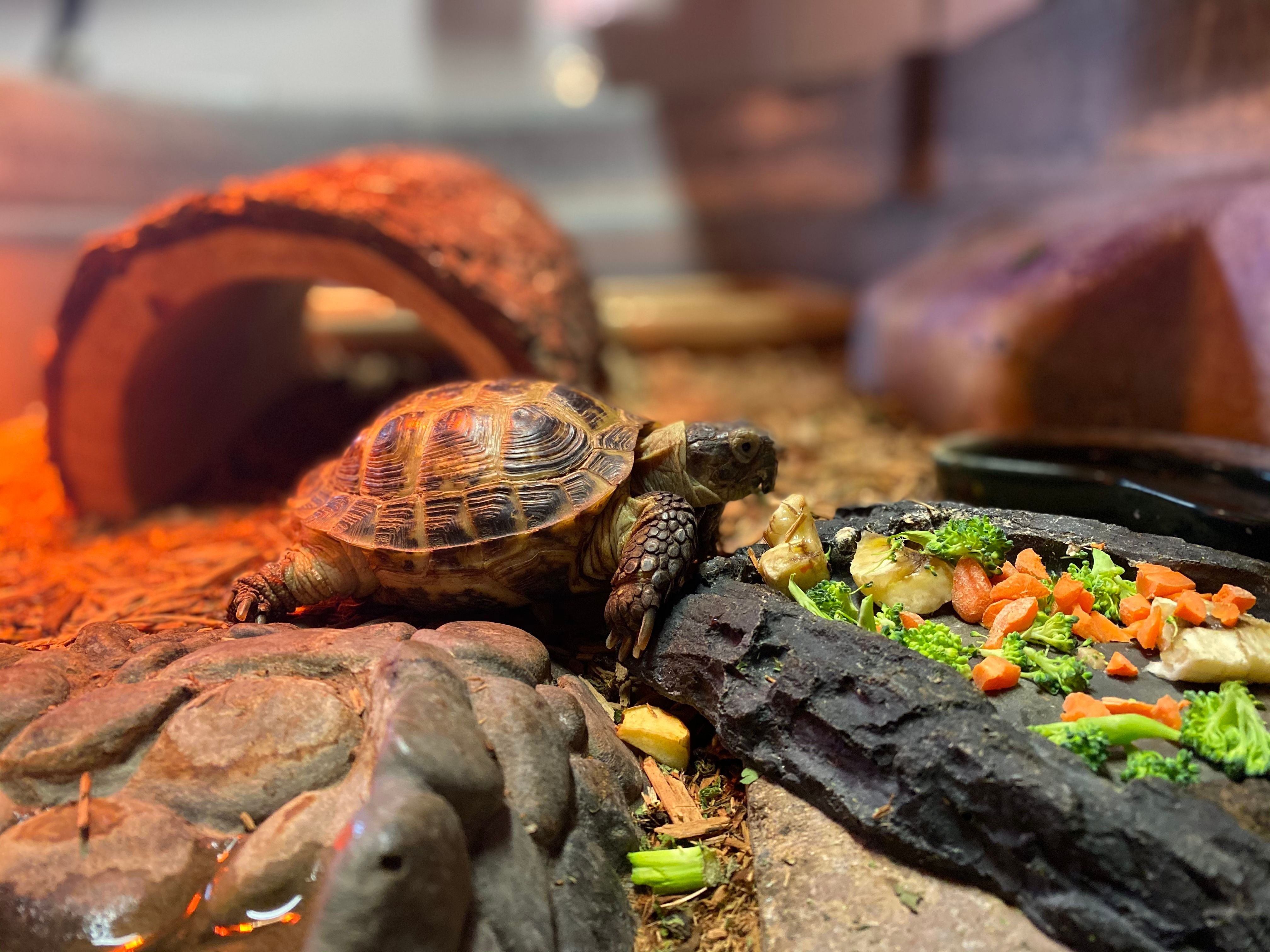
Fruit is where keepers go wrong most often. For grassland species (Russian, sulcata, leopard, Hermann's, Greek), fruit should be a rare treat or avoided entirely, because the sugar disrupts gut flora and can cause diarrhea and parasitic flare-ups. Forest-dwelling species such as red-foots and yellow-foots are an exception and can take more fruit as part of a more varied, omnivorous diet.
Calcium and Fiber: The Two Pillars
Calcium is critical for shell and bone health. Even a good salad needs supplementation. Lightly dust greens with a calcium powder a few times a week, and provide a cuttlebone or a calcium block in the enclosure for free-choice gnawing, which also helps keep the beak trimmed. Adequate calcium, along with proper UVB lighting and the vitamin D3 it enables, helps prevent metabolic bone disease, a point emphasized in reptile veterinary references like the Merck Veterinary Manual.
Fiber drives healthy digestion and gut motility. High-fiber grasses and weeds keep the digestive tract moving and help prevent the rapid growth that leads to shell pyramiding. This is why hay and coarse greens matter so much for grazing species.
Foods to Avoid or Strictly Limit
-
-
- High-protein foods: dog or cat food, beans, and excess legumes. Too much protein causes shell pyramiding and kidney strain. (Forest species can have small amounts of animal protein; grassland species generally should not.)
- Iceberg lettuce: nutritionally empty; offers little but water.
- Spinach, beet greens, and chard in excess: high in oxalates that bind calcium.
- Most fruit (for grassland species): too much sugar.
- Bread, grains, and processed human food: their systems cannot handle these.
- Toxic plants: avocado, rhubarb, buttercups, daffodils, azalea, and many ornamental garden plants. Always verify a plant is tortoise-safe before offering it.
-
Diet by Species Type
Not all tortoises eat alike, and matching the diet to the species is essential.
-
-
- Grassland / arid grazers (Russian, sulcata, leopard, Hermann's, Greek): high-fiber grasses, hay, weeds, and leafy greens. Very little to no fruit, minimal protein.
- Forest / tropical species (red-foot, yellow-foot): more varied and omnivorous. They eat greens and fruit and can take occasional animal protein such as the odd earthworm, reflecting their rainforest diet.
-
When in doubt about your specific species, consult a reliable, species-specific care reference rather than a generic feeding chart.
Feeding Schedule and Amounts
Most adult tortoises do well fed once a day, with a portion roughly the size of their shell offered as a grazing salad, plus access to hay for grazing species. Hatchlings and juveniles are growing and can be fed daily or have food available, but still on the same high-fiber, low-protein foods. Remove uneaten fresh food before it spoils. Always provide a shallow dish of clean water, and soak young or arid-species tortoises a few times a week to support hydration.
Signs of a Good (or Bad) Diet
-
-
- Healthy signs: smooth shell growth, steady weight, firm stools, good activity, and a properly worn beak.
-
-
-
- Warning signs: pyramided (lumpy) shell growth,
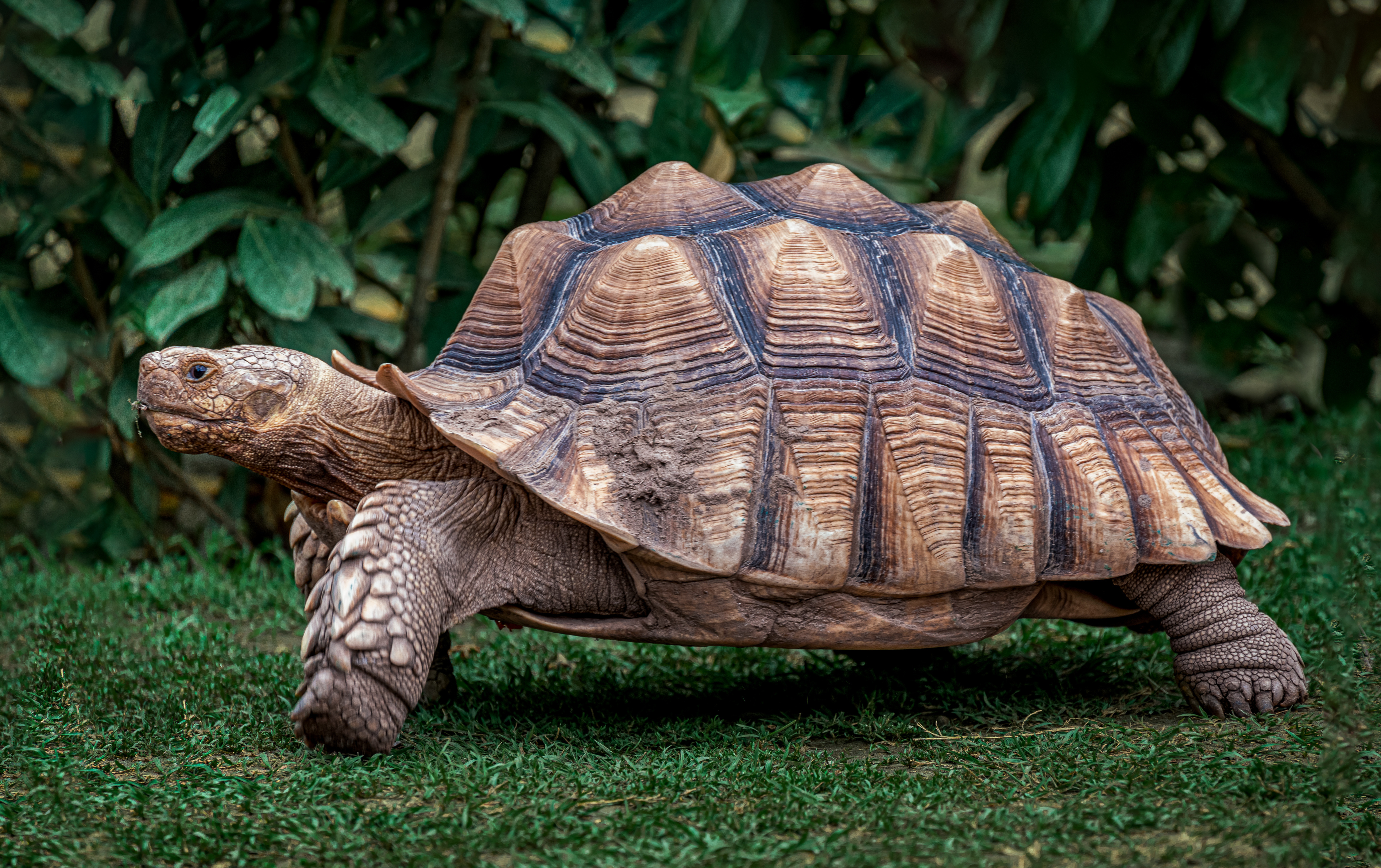 soft shell, runny stools, lethargy, or an overgrown beak. These often trace back to diet, hydration, or husbandry and warrant a review of feeding and a reptile vet visit.
- Warning signs: pyramided (lumpy) shell growth,
-
FAQ
What should make up most of a tortoise's diet?
Leafy greens, edible weeds, and, for grazing species, grasses and hay, around 80 percent or more of the diet. These high-fiber, low-protein foods match what tortoises eat in the wild.
Can tortoises eat fruit?
Grassland species (Russian, sulcata, Hermann's, Greek, leopard) should get little or no fruit because of the sugar. Forest species like red-foots can have more fruit as part of a varied diet.
Do tortoises need calcium supplements?
Yes. Dust greens with calcium a few times a week and provide a cuttlebone for free-choice gnawing. Calcium plus proper UVB prevents metabolic bone disease.
Is iceberg lettuce bad for tortoises?
It is not toxic, but it is nutritionally empty and mostly water. Use nutrient-dense greens like dandelion, collard, and mustard greens instead.
What foods are toxic to tortoises?
Avoid avocado, rhubarb, and many ornamental plants like azalea, daffodils, and buttercups, along with high-protein foods and processed human foods. Always confirm a plant is safe before feeding.
The Bottom Line
A proper tortoise diet is mostly fibrous greens, weeds, and grasses, light on vegetables, and, for most species, free of fruit and animal protein. Add calcium, keep fiber high, match the diet to your species, and avoid the common toxic and sugary pitfalls. Your tortoise's smooth shell and long life will reflect the care you put into its plate. Explore more husbandry guidance in the Fluker Farms reptile care sheets and browse supplies in our reptile shop, trusted by keepers since 1956.