
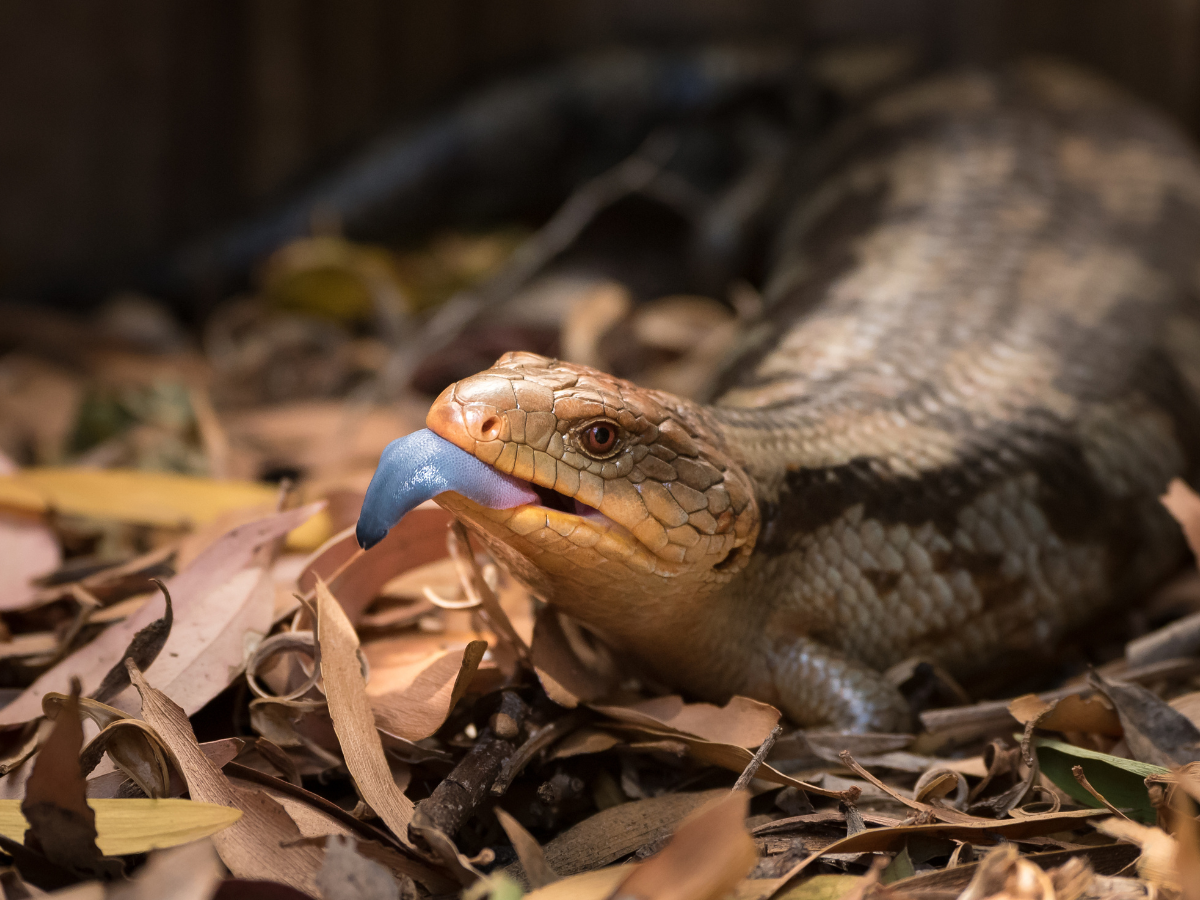
Blue Tongue Skink Care: The Complete Setup, Diet, and Husbandry Guide
Posted by The Fluker's Team on Sep 1st 2026
Blue tongue skink care sits in an interesting spot in the reptile hobby; these lizards are docile, intelligent, long-lived, and increasingly popular, but they're also bigger, hungrier, and more omnivorous than the more familiar leopard gecko or bearded dragon. Get the basics right, and a blue tongue skink will recognize you, come to the front of the enclosure for feeding, and live 15–20 years as one of the most personable reptiles you can keep.
This guide covers blue tongue skink care from picking a species through long-term diet, with the husbandry details that prevent the avoidable problems.
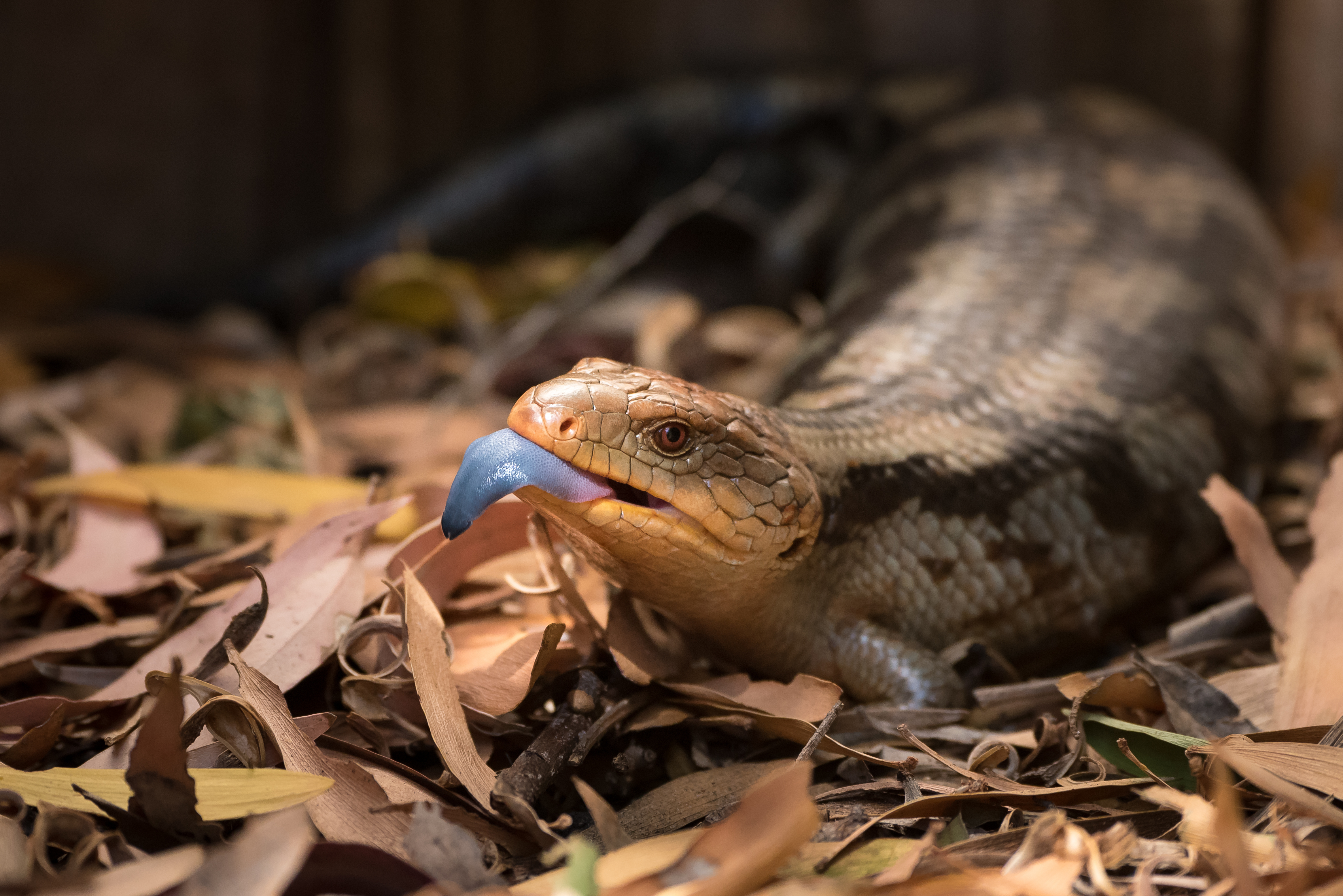
Quick Facts About Blue Tongue Skinks
-
- Common name: Blue tongue skink, BTS, blueys
- Most common pet species: Northern (Tiliqua scincoides intermedia), Eastern (T. scincoides scincoides), Indonesian (T. gigas), Merauke (T. gigas evanescens)
- Adult size: 18–24 inches
- Lifespan: 15–20 years, sometimes 30+
- Temperament: Generally calm, often tames into reliable handling
- Activity: Diurnal
- Diet: Omnivorous
Northern blue tongues are the most commonly recommended for beginners. They're hardy, dry-tolerant, and widely captive-bred. Indonesian species need more humidity and tend to be more flighty.
Enclosure Size
Blue tongue skinks are floor-active and benefit from horizontal space.
-
- Adult minimum: 4 ft x 2 ft x 2 ft (about 120 gallons)
- Adult preferred: 6 ft x 2 ft x 2 ft or larger
- Juveniles: Can be raised in 40-gallon breeders but upgrade by 9–12 months
Front-opening PVC enclosures are ideal, they hold humidity better than open-top glass tanks and make access easier.
Substrate
Blue tongues love to burrow. Provide 3–6 inches of substrate.
Good substrate options
-
- Cypress mulch (holds humidity, allows burrowing)
- Aspen shavings (best for arid Northern and Eastern species)
- Coconut husk/Eco Earth mix (good for Indonesian species)
- Bioactive soil mix (with cleanup crew, advanced)
Avoid sand, pine, and cedar. Sand can causes impaction and pine/cedar oils are toxic.
Temperature and Heating
Blue tongues need a strong basking spot and a clear thermal gradient:
-
- Basking surface temp: 95–105°F
- Warm ambient: 80–85°F
- Cool ambient: 70–75°F
- Nighttime: down to 65–70°F is fine
Use Fluker’s Basking Lights for basking. They produce the broad-spectrum infrared blue tongues need. Mount on a dimmer or thermostat to fine-tune basking surface temp. Measure surface temperature with an infrared thermometer, not air temp.
UVB Lighting
UVB is essential. Blue tongues are diurnal and synthesize vitamin D3 from UVB exposure. A T5 HO 10.0 or 12% UVB bulb spanning at least half the enclosure, replaced every 12 months, is the standard. Mount it inside the enclosure (mesh screens block ~50% of UVB output).
Pair UVB with the basking bulb on a 12-hour daily cycle. Distance from bulb to skink should follow the bulb manufacturer's chart, typically 12–15 inches for unobstructed T5 HO.
Humidity
Varies by species:
-
- Northern, Eastern: 30–40% (arid-tolerant)
- Indonesian, Merauke: 60–80% (rainforest-origin)
- Centralian: 30–40% (arid)
Use a digital hygrometer. Mist as needed. Add a humid hide regardless of species somewhere with damp sphagnum moss for shedding.
Diet — The 50/40/10 Rule
Blue tongue skinks are true omnivores. The widely accepted modern target:
-
- 50% protein (animal-based)
- 40% vegetables
- 10% fruit
Protein sources (50%)
-
- Cooked unseasoned chicken or turkey
- Cooked egg
- Dubia roaches (excellent calcium ratio)
- Superworms (high palatability)
- Mealworms (occasional)
- Snails (calcium-rich, watch source)
- Pinky mice (occasional treat for adults only)
Vegetables (40%)
-
- Collard greens, mustard greens, dandelion greens (high calcium)
- Squash (butternut, acorn)
- Bell pepper
- Green beans
- Carrot (small amounts)
Fruit (10%)
-
- Berries (blueberry, raspberry)
- Mango, papaya
- Apple (no seeds)
- Banana (occasional, high sugar)
Avoid
-
- Iceberg lettuce (no nutrition)
- Avocado (toxic)
- Citrus in large amounts
- Spinach as a staple (oxalates)
- Processed human food
Feeding Schedule
-
- Juveniles (under 1 year): Daily, varied small portions
- Sub-adults (1–2 years): Every other day
- Adults (2+ years): 2–3 times per week
Dust insect feeders with calcium at every feeding. Use calcium with D3 sparingly (once per week) if you have proper UVB; more often if you don't.
Water
A large shallow water bowl — big enough for the skink to soak in. Refresh daily. Many blue tongues love to soak, especially before shed.
Handling
Blue tongue skinks generally tolerate handling well and often actively enjoy it after acclimation. Give new arrivals 1–2 weeks to settle. When handling, support the body fully — never grab by the tail. Skinks can drop their tails as a defense mechanism, though it's less dramatic than gecko tail loss.
Most blue tongues recognize their keepers and may come to the front of the enclosure for food or interaction.
Shedding
Blue tongues shed in patches over a week or two, not all at once.
Some signs to look for:
-
- Dull skin
- Cloudy eyes
- Increased soaking
- Reduced appetite for a few days
A humid hide with damp sphagnum moss assists shedding. Check toes and tail tip after each shed cycle for stuck shed.
Common Health Issues
Metabolic Bone Disease
From inadequate calcium or UVB. Symptoms: soft jaw, lethargy, deformed limbs.
Prevention: proper UVB, calcium-dusted feeders, calcium-rich greens.
Obesity
The most common adult issue. Blue tongues will eat as much as you offer. Stick to the schedule and avoid fatty treats like superworms or pinky mice more than once a week.
Mites
Tiny black dots, especially around eyes and under scales. Quarantine new arrivals and inspect carefully.
Respiratory Infection
From temperatures too low or humidity wrong for the species. Some symptoms to look out for include open-mouth breathing, mucus, and lethargy. This requires vet care.
Mouth Rot
Bacterial infection often secondary to husbandry stress. Requires vet treatment.
Quarantine
New arrivals should be quarantined separately for 60–90 days minimum. Watch for parasites, abnormal stools, and refusal to eat.
Why People Love Blue Tongue Skinks
-
- They recognize their keepers
- They're large enough to handle confidently
- They're calm compared to most reptiles
- They live a long time — 15–20+ years
- They're omnivorous, which is genuinely interesting to feed
- They have personality in a way most lizards don't
Frequently Asked Questions
Are blue tongue skinks good for beginners?
Yes, with proper research. They're more demanding than leopard geckos in tank size and diet variety but more forgiving than chameleons. Northerns and Easterns are the most beginner-friendly.
Can I house two blue tongue skinks together?
No. Blue tongues are solitary as adults and will fight, sometimes lethally. House individually.
How big do blue tongue skinks get?
18–24 inches as adults. They're chunky and floor-dominant, not slender.
What do blue tongue skinks eat?
A 50/40/10 split: 50% protein (insects, canned dog food, cooked meat), 40% vegetables (greens, squash, peppers), 10% fruit. Variety is essential.
Do blue tongue skinks need UVB?
Yes, strongly recommended. They're diurnal and benefit significantly from proper T5 HO UVB lighting.
How long do blue tongue skinks live?
15–20 years on average. Well-cared-for skinks can live up to 30 years or more.
Are blue tongue skinks legal in the US?
Northern, Eastern, and Indonesian species are widely legal. Some Australian species are protected by export restrictions but captive-bred lines are available in the US.
Final Take
Blue tongue skink care comes down to enough space, proper UVB and basking heat, the 50/40/10 diet split, and patient handling. They're not the easiest reptile to start with, but they're arguably one of the most rewarding — and they live long enough that the husbandry investment pays back over decades.
Fluker Farms has supplied feeder insects to reptile keepers since 1956. Our dubia roaches, superworms, and mealworms ship farm-fresh from Louisiana and round out the protein half of any blue tongue diet. Browse our full reptile care sheets library for more species-specific husbandry.